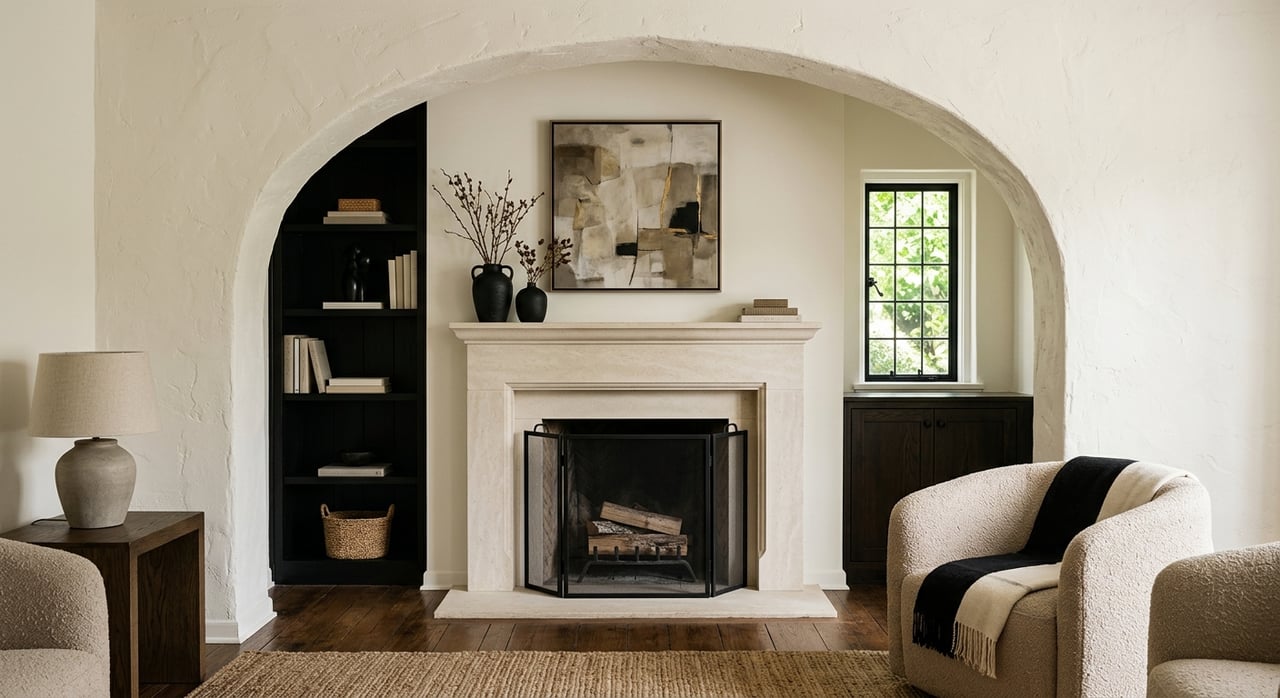
If you are selling a Hollywood Heights Tudor, your biggest advantage may already be built into the house. Arches, stained glass, original masonry, fireplaces, and wood trim give these homes a look that buyers cannot easily find elsewhere in Dallas. The goal is not to erase that character. It is to help buyers notice it, connect with it, and picture themselves living there. Let’s dive in.
Let the architecture lead
Hollywood Heights and Santa Monica form a Dallas conservation district created to protect the area’s architectural and cultural character. The neighborhood is widely known for its collection of Tudor cottages, many with stone or brick exteriors, leaded or stained-glass windows, capped chimneys, and terraced lawns, according to the City of Dallas conservation district overview.
That matters when you stage your home. In this setting, the architecture is not background. It is the feature. Your staging plan should frame the original details rather than compete with them.
Why staging matters for sellers
Staging is not just about style. It is about helping buyers understand how a home lives. In the 2025 Profile of Home Staging from NAR, 83% of buyers’ agents said staging made it easier for clients to visualize a property as their future home.
That same report found that 29% of agents said staging led to a 1% to 10% increase in the dollar value offered. NAR also defines staging as a process of cleaning, decluttering, repairing, depersonalizing, and updating so buyers can better picture themselves in the space.
For a Hollywood Heights Tudor, this usually means a lighter touch than sellers expect. You do not need to modernize every room. You need to simplify the presentation so the best original features are easy to see in person and in photos.
Use a Tudor-specific staging strategy
A Tudor home tends to feel best when the staging respects its scale and texture. NAR staging guidance supports the basics: remove personal items, declutter, use neutral tones, and create flexible, functional spaces.
In Hollywood Heights, those ideas translate especially well because many homes are compact cottages. Smaller rooms and detailed architecture benefit from furniture with lighter visual weight, fewer accessories, and cleaner sightlines. When buyers can clearly see the arches, fireplace, built-ins, and windows, the home feels more spacious and more memorable.
Keep original details visible
If your home has stained glass, original trim, built-ins, or a distinctive fireplace, make those elements easy to read. Avoid oversized furniture, busy patterns, or decor that blocks the eye from moving naturally through the room.
This approach is consistent with local examples. D Magazine has highlighted Hollywood Heights Tudors where crisp walls, hardwood floors, and historic windows worked together because the updates did not overpower the original character.
Choose a restrained palette
Soft neutrals often work best in a Tudor because they calm the room and let texture stand out. White, warm ivory, taupe, soft gray, and muted wood tones can help stonework, leaded glass, and old-growth floors feel intentional rather than visually busy.
This does not mean your home has to feel cold. Texture can do the work that color normally does. Think layered bedding, natural fibers, simple drapery, and a few edited accents instead of a large number of decorative pieces.
Scale furniture carefully
Many Hollywood Heights homes are two- and three-bedroom cottages, so scale matters. A sofa that is too deep or a dining set that is too heavy can make a room feel tighter than it is.
Choose pieces that preserve circulation around doorways, arches, and built-ins. If buyers can move through the room easily and see clear floor area, the home will often read as brighter and more functional in photos.
Focus on the rooms buyers notice most
NAR’s 2025 staging report found that the living room is the most important room to stage, followed by the primary bedroom and kitchen. If you want to make smart decisions about time and budget, start there.
Stage the living room around the fireplace
In a Tudor, the fireplace is often the heart of the living room. Treat it as the natural focal point. Keep the mantel simple, limit decor to a few pieces, and arrange seating so the room feels conversational without covering architectural features.
If you have an archway, built-in shelving, or detailed ceiling lines, leave enough breathing room for those details to show. A lighter rug, edited coffee table styling, and fewer side pieces can make the room feel larger without stripping away warmth.
Calm the primary bedroom
The primary bedroom should feel restful, open, and easy to understand. Soft bedding, minimal nightstand styling, and clear floor space can help buyers read the room’s dimensions more accurately.
Avoid overfilling the room with benches, accent chairs, or too many decorative pillows. In a smaller Tudor bedroom, less usually feels more polished and more spacious.
Edit the kitchen hard
Kitchens in historic homes benefit from discipline. Clear the counters, reduce small appliances, and keep cabinet lines visible. If natural light is available, make sure window treatments and furniture placement do not block it.
If your home includes a breakfast nook or built-ins, feature them. According to the full NAR staging profile, buyers respond well to spaces that feel functional and easy to imagine using, and these original features can help tell that story.
Support the mood with better lighting
Lighting in a Tudor should support the architecture, not steal attention from it. Local coverage of Hollywood Heights homes often shows historic rooms paired with vintage chandeliers, original fixtures, or simple modern lighting that lets texture and detail remain the focus, as seen in Candy’s Dirt coverage.
That means you should aim for warm, flattering light that reveals texture in plaster, wood, and masonry. Replace harsh bulbs, check fixture scale, and make sure darker corners are bright enough for showings and photography.
Improve curb appeal without overpowering the home
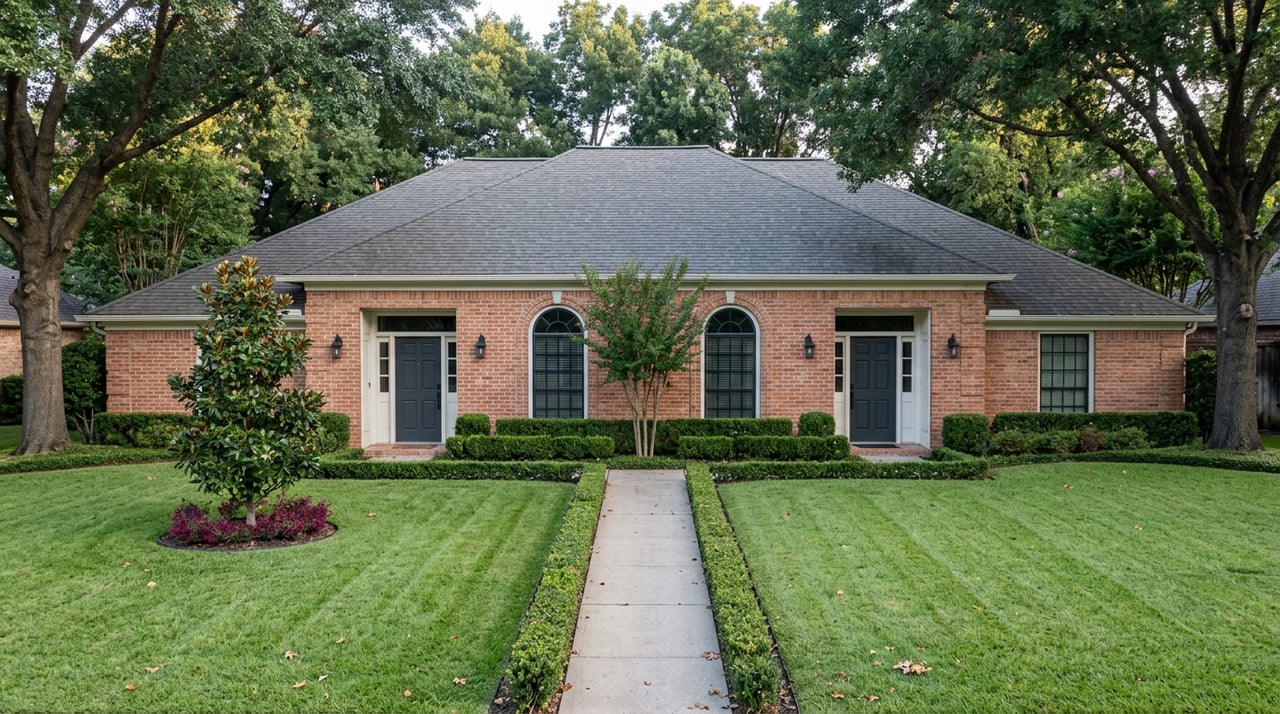
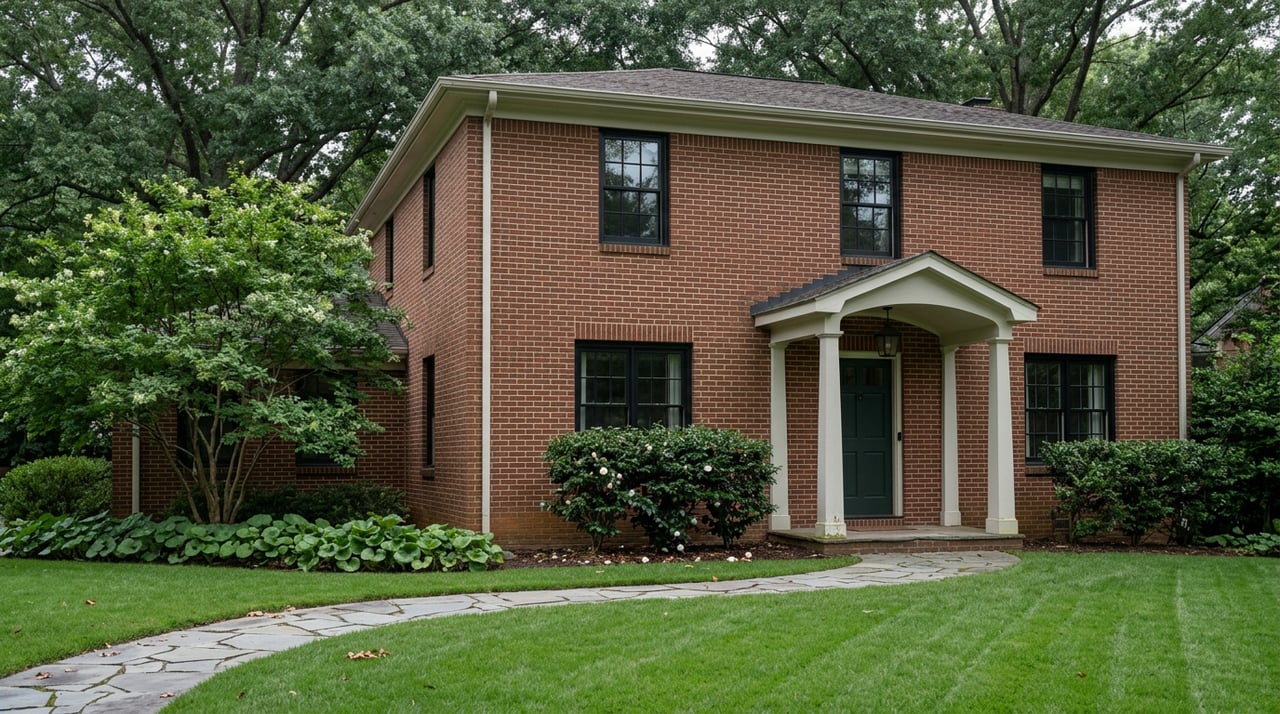
In Hollywood Heights, curb appeal should feel consistent with the neighborhood. Mature trees, brick or stone facades, and tidy terraced lawns are part of what gives these homes their charm. Your goal is to make the exterior look clean, cared for, and true to the house.
Simple prep usually goes a long way:
- Trim planting beds
- Keep walkways clear
- Touch up paint where needed
- Clean masonry and porch areas
- Edit porch furniture
- Keep the entry inviting but simple
The Preservation Dallas neighborhood overview reinforces the importance of protecting the district’s architectural character. If you are considering exterior changes before listing, it is wise to check city guidance and focus on reversible, low-impact updates rather than anything that overwhelms the original Tudor form.
Prepare for photos first
Today, many buyers meet your home online before they ever step inside. In the NAR 2025 staging report, 88% of sellers’ agents said photos were much more important or more important to their clients. Buyers’ agents also rated photos, videos, traditional staging, and virtual tours highly in the home search process.
That matters even more for a Hollywood Heights Tudor because these homes often win attention through texture, windows, fireplaces, and curb appeal. Professional photos should show those assets clearly, with bright exposures, clean compositions, and minimal visual noise.
If your home is vacant, virtual staging may also be worth considering. NAR notes that it can help buyers understand scale and function in empty spaces, especially when a room’s purpose is not immediately obvious.
A simple staging checklist for sellers
If you want a practical plan before listing, start here:
- Deep clean every room
- Remove personal photos and highly specific decor
- Reduce furniture to improve circulation
- Highlight original features like arches, windows, and fireplaces
- Use a neutral, cohesive color palette
- Clear kitchen and bath counters
- Touch up paint and minor repairs
- Refresh lighting and replace harsh bulbs
- Tidy the front exterior and porch
- Prepare the home for professional photography
The real goal: character that feels easy to live with
The strongest Hollywood Heights Tudor listings usually do not try to become something else. They preserve the arches, fireplaces, glass, and masonry that make the home special, while simplifying everything around them so the space feels bright, useful, and easy to photograph.
If you are preparing to sell in Hollywood Heights, thoughtful staging can help buyers see both the history and the livability of your home. When the presentation is right, character stops feeling niche and starts feeling like a competitive advantage.
If you want local guidance on how to position your Hollywood Heights home for the market, Brianna East can help you build a smart, neighborhood-specific plan.
FAQs
What makes staging a Hollywood Heights Tudor different from staging a newer Dallas home?
- A Hollywood Heights Tudor usually has original architectural details such as arches, stained glass, fireplaces, masonry, and built-ins, so staging should highlight those features instead of covering them with oversized furniture or trendy decor.
Which rooms matter most when staging a Hollywood Heights Tudor for sale?
- Based on NAR’s 2025 staging report, the living room matters most, followed by the primary bedroom and kitchen, so those spaces should usually be the first priority.
Should you modernize a Hollywood Heights Tudor before listing it?
- In many cases, selective updating works better than full modernization because buyers are often drawn to the original Tudor character, and the best staging helps that character feel fresh, bright, and easy to understand.
How should you handle curb appeal for a Hollywood Heights Tudor?
- Focus on clean, simple improvements like trimming landscaping, clearing walkways, touching up paint, and tidying the porch so the original brick, stone, and overall form of the home remain the main attraction.
Why are listing photos so important when selling a Hollywood Heights Tudor?
- Many buyers first evaluate homes online, and strong professional photos help showcase the architectural details, natural light, and room flow that make a Tudor stand out.