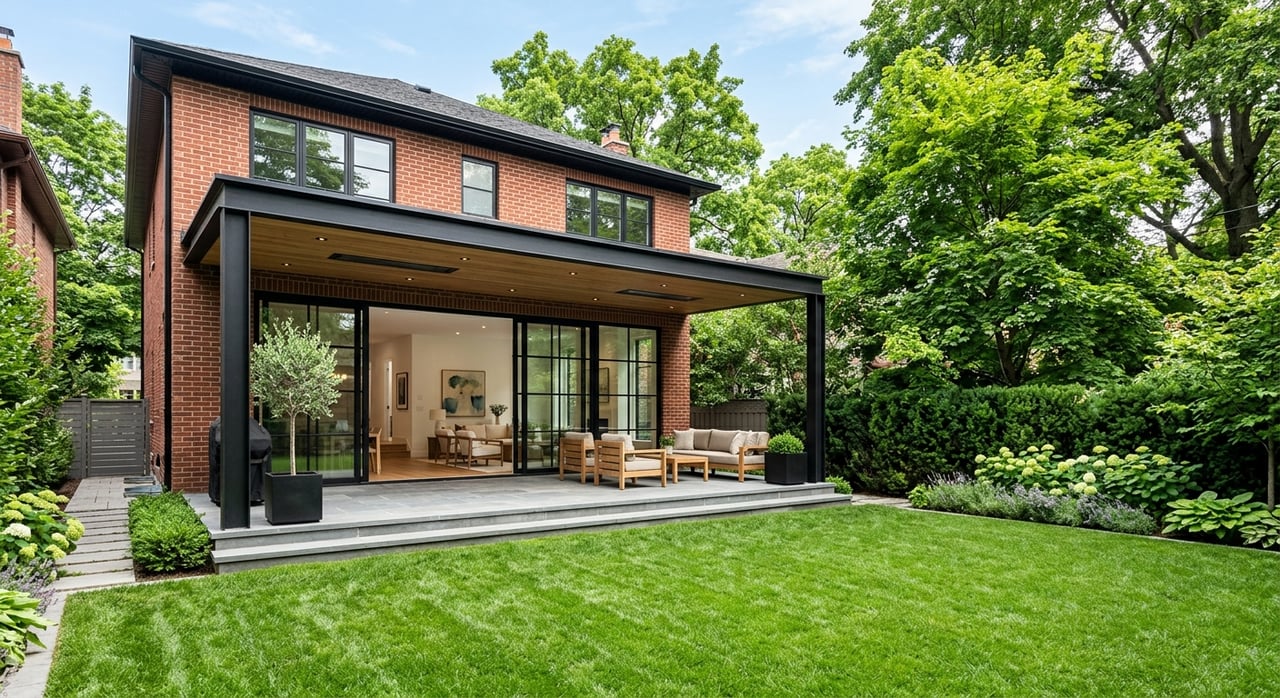
If you are drawn to Forest Hills, chances are you are not just shopping for square footage. You are looking for trees, privacy, and a yard that feels like an extension of daily life. In this part of East Dallas, lot size matters, but how that lot actually lives matters even more. This guide will help you look past the numbers and understand what buyers should know about outdoor living in Forest Hills. Let’s dive in.
Why Forest Hills lots stand out
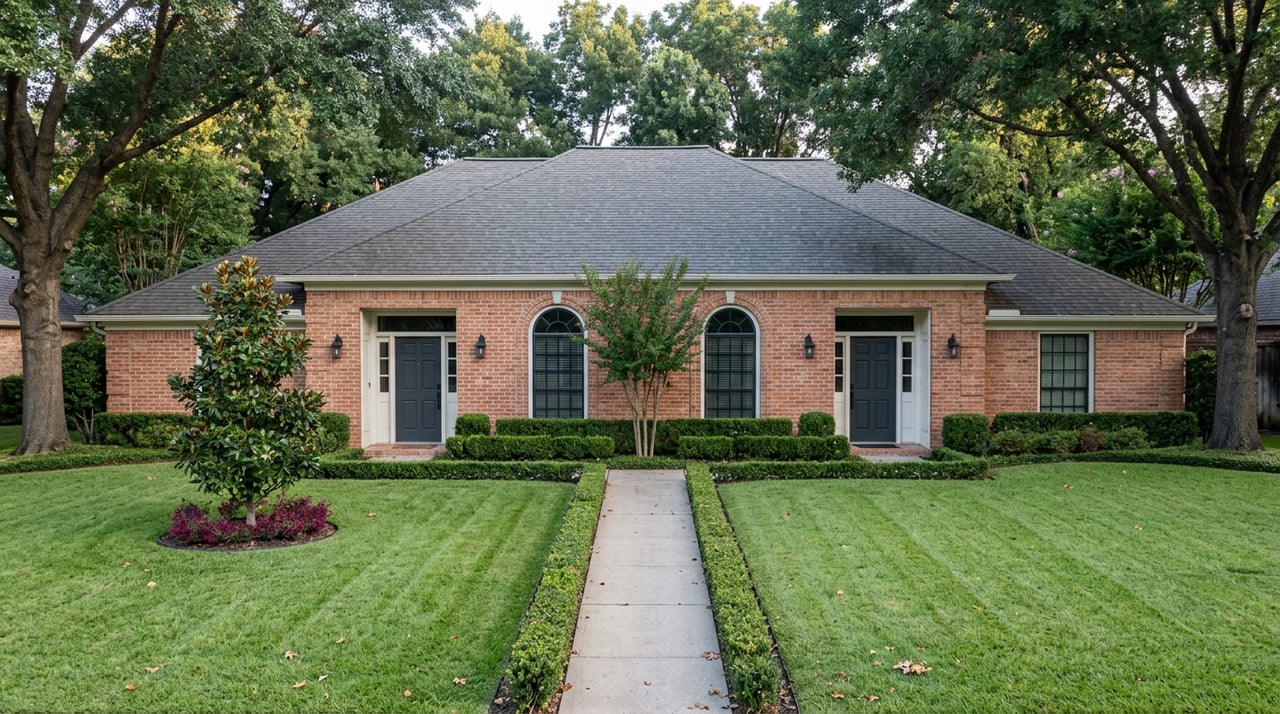
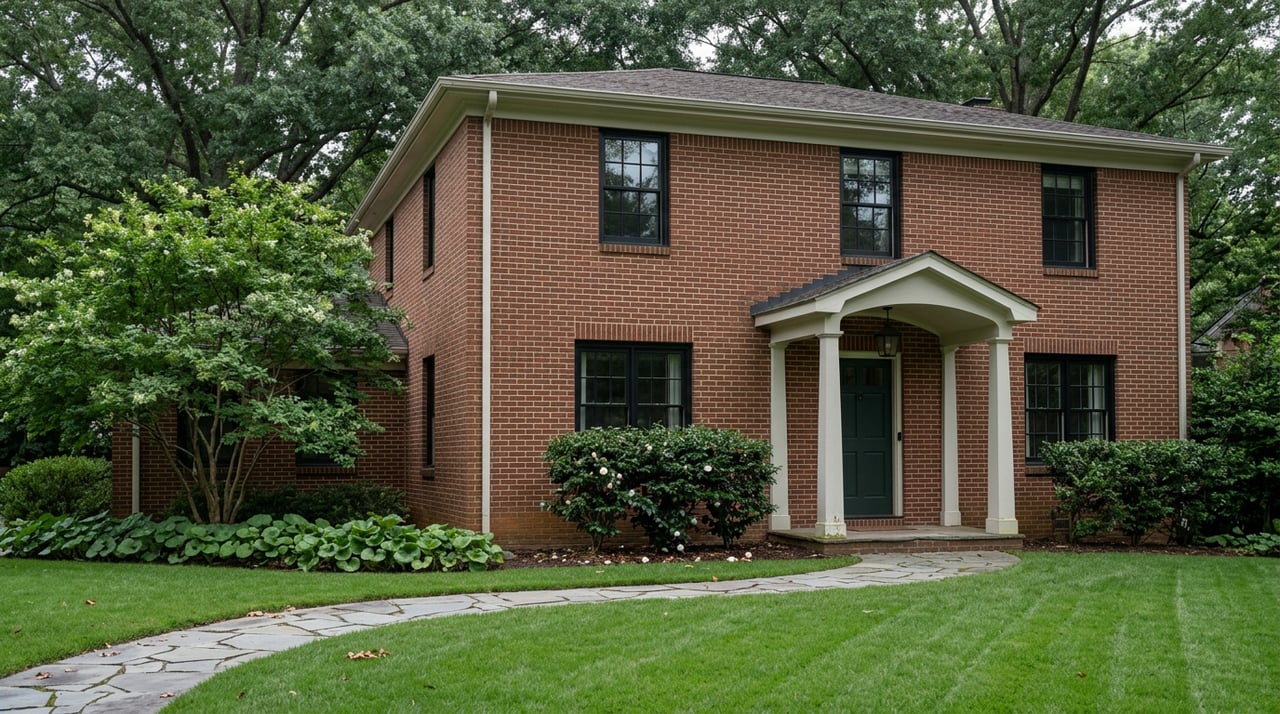
Forest Hills sits at the southern end of White Rock Lake and is known for mature trees, larger lots, and homes set back within the canopy. D Magazine notes that the neighborhood was one of the first Dallas developments marketed as an escape from the city in the 1920s, with a countryside feel even though it is about six miles from downtown.
That setting shapes how homes feel from the street and how buyers use outdoor space. Because Forest Hills is made up entirely of detached single-family homes, the lot itself often plays a major role in value, privacy, and day-to-day enjoyment.
Lot size is only part of the story
A large lot on paper does not always mean a large usable yard. In Forest Hills, mature trees, shade patterns, setbacks, easements, and drainage can all affect what you can actually enjoy or build.
That is why two properties with similar lot sizes can live very differently. One may have a sunny, open backyard for a pool and patio, while another may offer deeper shade and more privacy but less direct sun for gardening or outdoor entertaining.
Usable space matters most
When you tour homes in Forest Hills, focus on the parts of the lot you will use most often. Think about where you would place a dining area, where kids or pets might play, or where a future pool house, shed, or cabana could fit.
The best lot for you depends on your lifestyle. Some buyers want open lawn space, while others prefer a tucked-away yard under the tree canopy with a more natural feel.
Outdoor living is part of the lifestyle
In Forest Hills, backyard living is tied to a larger outdoor setting. White Rock Lake is a 1,015-acre city lake with a 9.33-mile hike-and-bike trail, boat ramps, picnic areas, pavilions, a wetland, and an Audubon bird-watching area.
Nearby, the Dallas Arboretum covers 66 acres of display gardens and hosts seasonal outdoor festivals, concerts, art shows, and outdoor dining through its partnership with Dallas Park and Recreation and the Dallas Arboretum and Botanical Society. For buyers, that means outdoor living here is not only about what sits behind your fence line. It is also about how your home connects to the broader White Rock area lifestyle.
Think beyond open grass
A Forest Hills yard may not function like a wide-open suburban lawn, and that is not necessarily a downside. Many buyers are drawn to the shade, texture, and privacy that mature trees create.
As you shop, it helps to picture outdoor living in layers. Instead of asking whether a lot is big, ask whether it supports the way you want to live outside.
What buyers should check on every tour
If outdoor living is a priority, it helps to tour with a clear checklist. In Forest Hills, the details of the lot often matter as much as the house itself.
Ask for the survey and plat
Before you get attached to a future patio, pool, or addition, ask to review the survey and plat. Dallas notes that setbacks are required front, side, and rear yards along property lines, and setback standards generally depend on the zoning district.
The city also says setback lines can sometimes be found on the certified plat. This step can help you understand where building may be limited before you start planning projects in your head.
Walk the yard at different times
Because Forest Hills is known for mature canopy, sunlight can shift a lot across the day. A backyard that feels bright in the morning may be fully shaded by late afternoon.
If possible, visit at more than one time of day. This gives you a better sense of where the sun lands and whether the lot fits your plans for lounging, gardening, or a pool.
Look for drainage clues
Pay attention to low spots, standing water, or downspouts that empty into the yard. These can affect how usable the yard feels after rain and may influence future outdoor improvements.
Dallas also notes that development within the regulatory 1% annual chance floodplain is reviewed before permitting. If a property may be near floodplain, it is worth checking early rather than later.
Check space for accessory structures
If you are imagining a detached garage, shed, cabana, or pool house, confirm where it could realistically go. Dallas says detached carports and accessory structures have setback and firewall rules, so open space does not automatically mean buildable space.
This is one of the biggest reasons buyers should look carefully at lot layout, not just lot size. Shape and placement matter.
Review fence limitations
Fencing can affect both privacy and function. Dallas says front-yard fences in single-family and duplex districts may not exceed 4 feet, while side and rear-yard fences may not exceed 9 feet.
The city also says fences may not be placed in easements. If privacy is important to you, make sure your plans match what the site and city rules allow.
Verify overlay or district rules
Some properties may sit in a historic district, conservation district, or other overlay with special rules. Dallas says exterior work in these cases may need additional approval before construction starts.
That can affect budgets, timelines, and design choices for outdoor improvements. It is much easier to verify this early in the process.
Dallas rules that shape outdoor projects
Forest Hills buyers often fall in love with the possibility of future outdoor upgrades. It is smart to pair that excitement with a practical look at city requirements.
Dallas says permits are required for construction, renovation, and major repairs, including projects such as decks and additions. So if you are planning to improve outdoor living after closing, make sure you understand the city process before setting a timeline.
Buildability has limits
Even on a large lot, not every square foot can be built on, fenced, or covered by hardscape. Setbacks, easements, floodplain review, and permit requirements can all shape what is possible.
That does not mean a lot is less valuable. It simply means the best purchase decision comes from matching the lot to your actual goals, rather than assuming every large yard offers the same flexibility.
How Forest Hills compares nearby
Forest Hills stands toward the larger-lot, heavier-canopy end of the East Dallas spectrum. That makes it appealing for buyers who want space, mature trees, and a more tucked-away feel.
Nearby neighborhoods offer different versions of outdoor living. Little Forest Hills is described as a smaller, more eclectic area near White Rock Lake with 1920s-era cottages and heavy tree cover. Casa Linda also attracts buyers with large lots, mature trees, vintage homes, and an easy downtown commute.
Lakewood includes homes ranging from estates to cottages along the west side of White Rock Lake, while Hillside is known for its natural setting of creeks and mature trees. Looking across these neighborhoods can help you decide whether you want a more open garden-style lot, a cottage-style setting, or a site with a different balance of yard space and redevelopment potential.
How to choose the right lot for you
The right Forest Hills property is not always the one with the biggest lot number. It is the one where the sun, shade, privacy, drainage, and layout support the way you actually want to live.
As you compare homes, ask yourself a few simple questions:
- Do you want more direct sun or more shade?
- Is privacy more important than open lawn space?
- Do you want room for a future pool, patio, or detached structure?
- Are you comfortable working within setbacks, permits, or possible overlay rules?
- Does the current yard already fit your needs, or will it require major changes?
Those answers can narrow your search quickly. They can also help you avoid paying for a lot that looks impressive on paper but does not function the way you hoped.
Final thoughts on Forest Hills outdoor living
Forest Hills has a character that is hard to fake. The larger lots, mature trees, and connection to White Rock Lake create a setting that feels established, calm, and distinctly East Dallas.
For buyers, the key is to look beyond lot size alone. When you understand usable space, city rules, and how outdoor living really works from one property to the next, you can make a much more confident decision.
If you are thinking about buying in Forest Hills and want help weighing lot layout, neighborhood fit, and outdoor potential, Brianna East can help you navigate the details with practical, local guidance.
FAQs
What should buyers look for in a Forest Hills lot?
- Buyers should look at usable yard space, shade, privacy, drainage, setbacks, easements, and where future outdoor features could realistically fit.
Does a larger Forest Hills lot always mean more buildable space?
- No. Dallas rules on setbacks, easements, floodplain review, fencing, and permits can limit what you can build or install on a lot.
Are permits required for outdoor projects in Dallas?
- Yes. Dallas says permits are required for construction, renovation, and major repairs, including projects such as decks and additions.
How do mature trees affect outdoor living in Forest Hills?
- Mature trees can add privacy and character, but they can also reduce direct sun for patios, gardens, and pools depending on the lot layout.
How does Forest Hills compare with nearby East Dallas neighborhoods?
- Forest Hills generally sits on the larger-lot, more canopy-heavy side compared with nearby areas that may feel smaller, more eclectic, or more mixed in lot size and housing type.