Moving to East Dallas can feel simple on paper and surprisingly nuanced once you start comparing neighborhoods. If Lakewood, Old East Dallas, and Lake Highlands are all on your radar, you are not alone. The good news is that each offers a distinct version of East Dallas living, and understanding where Lake Highlands fits can help you narrow your search faster. Let’s dive in.
Where Lake Highlands Fits in East Dallas
Lake Highlands is part of northeast Dallas, and it covers a much broader area than many people expect. The City of Dallas places it in Council District 10, a district that spans about 12.5 square miles and stretches across a large section of northeast Dallas.
That larger footprint shapes the experience of living there. Instead of feeling like a compact historic pocket, Lake Highlands tends to feel more like a collection of residential areas, mixed-use zones, and commuter-friendly corridors. It is still closely tied to East Dallas by location and lifestyle, but it offers a more expansive layout.
Geographically, Lake Highlands borders Richardson to the north, Garland to the east, White Rock Lake and East Dallas to the south, and Lakewood and North Dallas to the west. Interstate 635 and the DART Blue Line also run through the neighborhood, which adds to its practical appeal for many relocators.
Why Lake Highlands Stands Out
If you are relocating and want East Dallas access without committing to a highly historic setting, Lake Highlands often lands on the shortlist for good reason. It blends a neighborhood-oriented feel with a range of housing and transportation options.
That flexibility is one of its biggest strengths. You can find areas with a more established residential character, but you can also find apartments, townhome-style living, and mixed-use pockets near transit. For many buyers and renters, that creates more paths into the market.
The City of Dallas planning materials also point to continued mixed-use development around the Lake Highlands DART station and White Rock station. In practical terms, that means Lake Highlands is not standing still. It is evolving in ways that can appeal to people who want both convenience and a neighborhood feel.
Housing in Lake Highlands
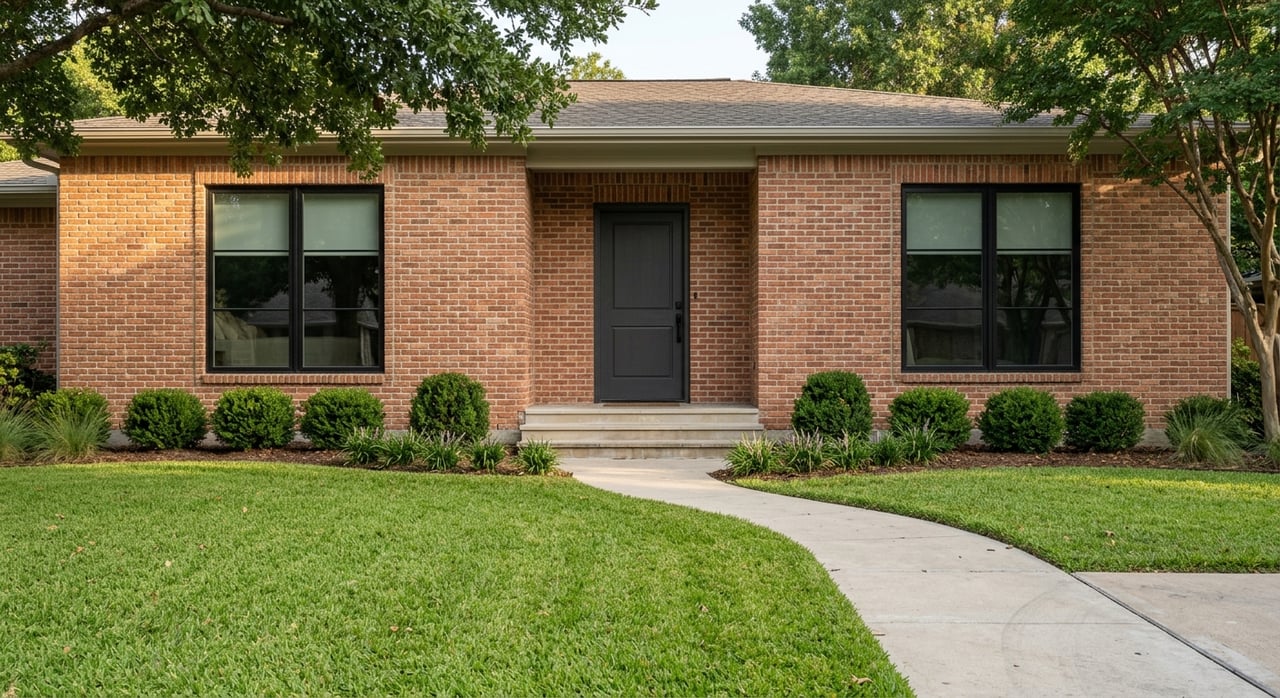
Lake Highlands saw major development in the 1960s, when the area shifted from farmland into a well-established residential neighborhood. That history still shows up in the housing stock today.
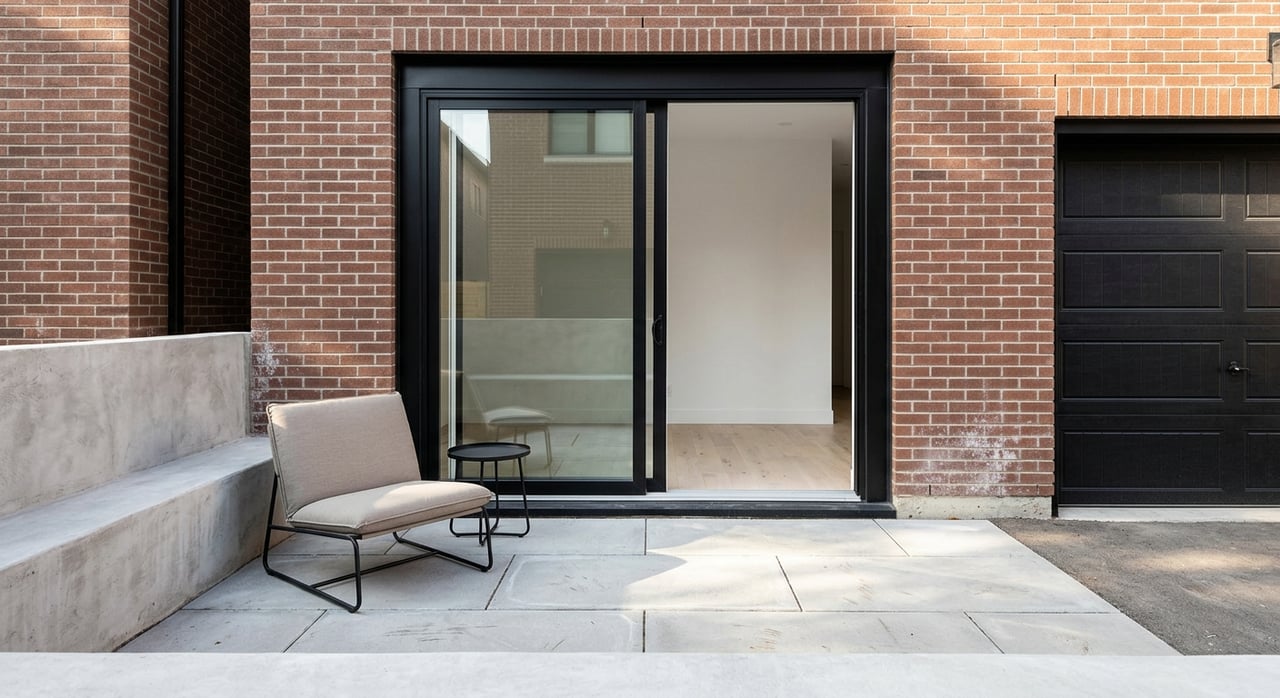
What makes Lake Highlands appealing is that it is not limited to one home style or one type of buyer. You will find mid-century single-family neighborhoods, some rear-entry garage lot patterns, apartment clusters, and newer residential options near the station area and Town Center.
For relocators, that variety matters. If you are deciding between renting first, buying a single-family home, or looking for a lower-maintenance option, Lake Highlands gives you more flexibility than some of the more preservation-focused East Dallas neighborhoods.
Lake Highlands Versus Lakewood
Lakewood and Lake Highlands are often compared because both are closely tied to the East Dallas conversation. The difference is that they tend to offer very different housing experiences.
Lakewood has a stronger preservation-oriented identity. The City of Dallas describes the Lakewood district as a place where conservation and protection of architectural and cultural attributes are central to the neighborhood story.
That means Lakewood may appeal more if you are specifically drawn to older architecture and a stronger historic context. Lake Highlands, by contrast, is often the better fit if you want a broader range of housing choices and a less preservation-centered environment.
Neither option is better across the board. It really comes down to whether you want historic architectural character to be a primary feature of your home search, or whether you are prioritizing flexibility, footprint, and commuter convenience.
Lake Highlands Versus Old East Dallas
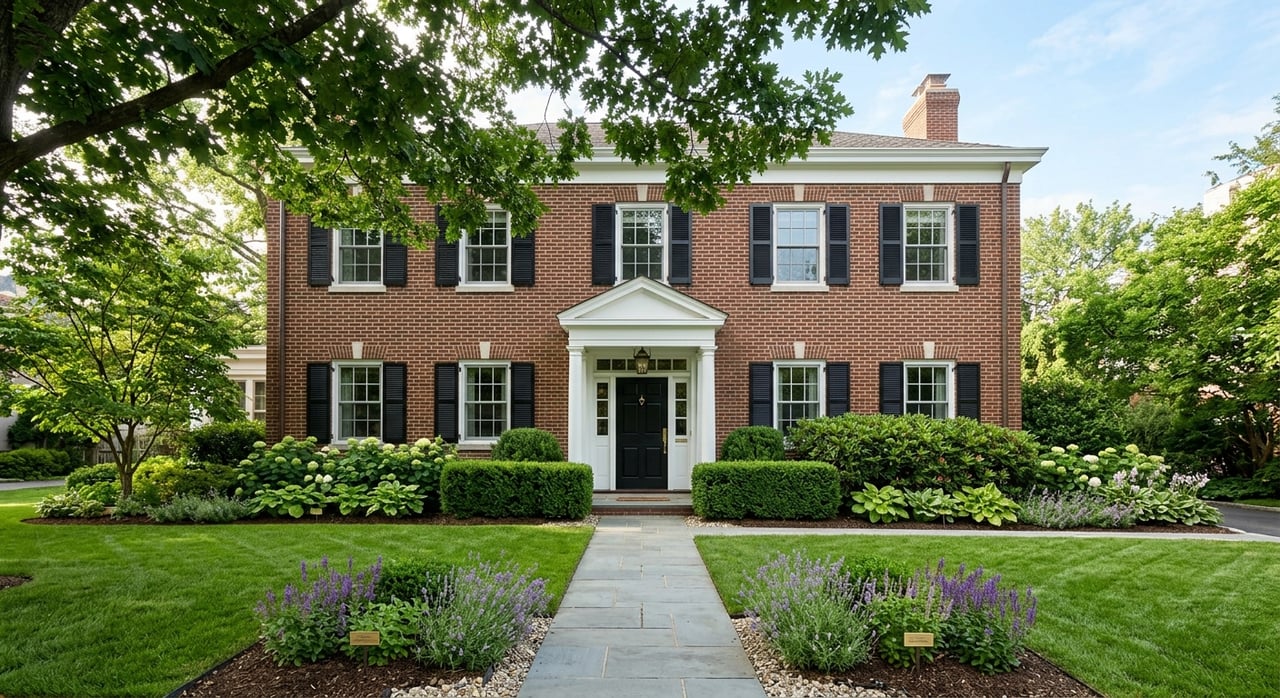
Old East Dallas offers a different kind of appeal. Its identity is deeply tied to early-20th-century development patterns and historic districts such as Munger Place, Junius Heights, Peak’s Suburban Addition, and Swiss Avenue.
The City of Dallas preservation materials describe Old East Dallas as an area with a strong concentration of historic homes and older architectural styles, including Prairie, Bungalow, historical revival, and related early neighborhood forms. That creates a distinctly historic setting that many buyers love.
Lake Highlands feels different. Instead of a streetcar-era, preservation-centered housing story, it offers a broader, more mixed residential landscape. If you like East Dallas but do not necessarily want an older historic home to define your search, Lake Highlands may feel more practical.
What Commutes Look Like From Lake Highlands
Commute options are a major part of the Lake Highlands story. Because of its location, the neighborhood connects to key roadways including I-635, U.S. 75, and Northwest Highway, which makes driving a common choice for daily travel.
Transit is also a real option here. DART says Lake Highlands Station is on the Blue Line near Walnut Hill Lane and White Rock Trail, with bus transfer and passenger drop-off areas built into the Town Center site design.
For people heading toward downtown Dallas, that can be especially useful. DART’s Blue Line serves downtown stations including Pearl/Arts District, St. Paul, Akard, West End, and EBJ Union Station, with service every 15 minutes during peak periods, every 20 minutes midday, and every 30 minutes late at night.
Lake Highlands also benefits from current DART bus service, including routes 17 Skillman, 20 Northwest Hwy, and 22 Forest Lane. On top of that, DART’s GoLink service includes a Lake Highlands zone with curb-to-curb on-demand trips to rail stations and transit centers, generally operating seven days a week from 5 a.m. to midnight in most zones.
Who Lake Highlands May Suit Best
Lake Highlands tends to make sense for relocators who want more space and a less urban feel than some other East Dallas options, while still staying connected to the city. Its larger footprint and transportation access support that balance.
It can also be a strong match if you want housing choices beyond one narrow category. Buyers, renters, and people making a staged move to Dallas often appreciate having options that include single-family homes, apartments, and townhome-style living.
The neighborhood may be especially appealing if you want East Dallas access without centering your search on a historic district experience. If your priority is a neighborhood-first feel with practical commuting options, Lake Highlands deserves a close look.
Community Feel in Lake Highlands
A relocation decision is about more than a floor plan or commute. It is also about whether a neighborhood feels active, connected, and established.
City of Dallas District 10 resources list organizations such as the Lake Highlands Area Improvement Association, the Exchange Club of Lake Highlands, an early-childhood PTA, and a junior women’s league. That suggests an area with a visible civic infrastructure and opportunities for local involvement.
For many relocators, that kind of community framework matters. It can make a neighborhood feel easier to plug into, especially when you are new to Dallas and trying to build routines and connections.
Key Takeaways for Relocating to East Dallas
If you are comparing East Dallas neighborhoods, it helps to think of Lake Highlands as the practical, flexible option in the mix. It offers a broader geographic footprint, a strong mid-century residential base, and meaningful transit and roadway access.
Lakewood is often a stronger fit for people who want architectural character and preservation context to be front and center. Old East Dallas tends to appeal most to those who are specifically drawn to historic neighborhoods and early-20th-century housing styles.
Lake Highlands stands out when you want a neighborhood-centered lifestyle without needing your home search to revolve around historic housing. That makes it a smart place to explore if you are relocating and want East Dallas access with more variety and everyday convenience.
If you are planning a move and want help comparing Lake Highlands with Lakewood, Old East Dallas, or other East Dallas neighborhoods, Brianna East can help you sort through the options with clear, local guidance.
FAQs
Is Lake Highlands considered part of East Dallas?
- Lake Highlands is generally positioned as part of northeast Dallas, but it is closely tied to the broader East Dallas lifestyle and location conversation.
What types of homes are common in Lake Highlands?
- Lake Highlands includes mid-century single-family homes, apartment clusters, and newer mixed-use or townhome-oriented housing near the station area and Town Center.
How does Lake Highlands compare with Lakewood?
- Lake Highlands generally offers a broader footprint and more housing variety, while Lakewood is more closely associated with preservation and architectural character.
How does Lake Highlands compare with Old East Dallas?
- Lake Highlands is less historic in character and more mixed in housing type, while Old East Dallas is more closely defined by early-20th-century homes and preservation-focused neighborhoods.
Is public transit available in Lake Highlands?
- Yes. Lake Highlands has DART Blue Line access, local bus routes, and GoLink on-demand service in the Lake Highlands zone.
Is Lake Highlands a good option for someone relocating to Dallas?
- Lake Highlands can be a strong option if you want a residential neighborhood feel, commuter flexibility, and a range of housing choices while staying connected to East Dallas and downtown.