Trying to decide between Lakewood and Forest Hills near White Rock Lake? You are not alone. Both offer access to the same beloved green space, yet they feel different day to day. In this guide, you will learn how the neighborhoods compare on housing, lifestyle, schools, pricing dynamics, and what to evaluate so you can pick the best fit. Let’s dive in.
Lakewood vs. Forest Hills at a glance
If you want daily lake time and a lively neighborhood core, you may lean toward Lakewood. If you prefer quieter residential streets and a more relaxed pace while staying near the lake, Forest Hills may be a better match. Both sit in East Dallas and offer single-family homes with access to parks, trails, and a short drive to shopping and dining. Your decision comes down to lifestyle preferences, home type, and budget priorities.
Neighborhood basics and boundaries
Before you compare listings, confirm the exact neighborhood boundaries you care about. “Forest Hills” appears in multiple pockets across DFW, and boundaries can vary by association or MLS designation. Verifying the specific Forest Hills area near White Rock Lake ensures you are reviewing the right homes, schools, and commute time.
To get oriented, use neighborhood association pages or City of Dallas maps for boundaries, then layer in MLS mapping for active and sold listings. This helps you see where streets open onto lake-adjacent trails, where retail corridors sit, and how far your typical errands will take you.
Housing styles and lots
Lakewood home profile
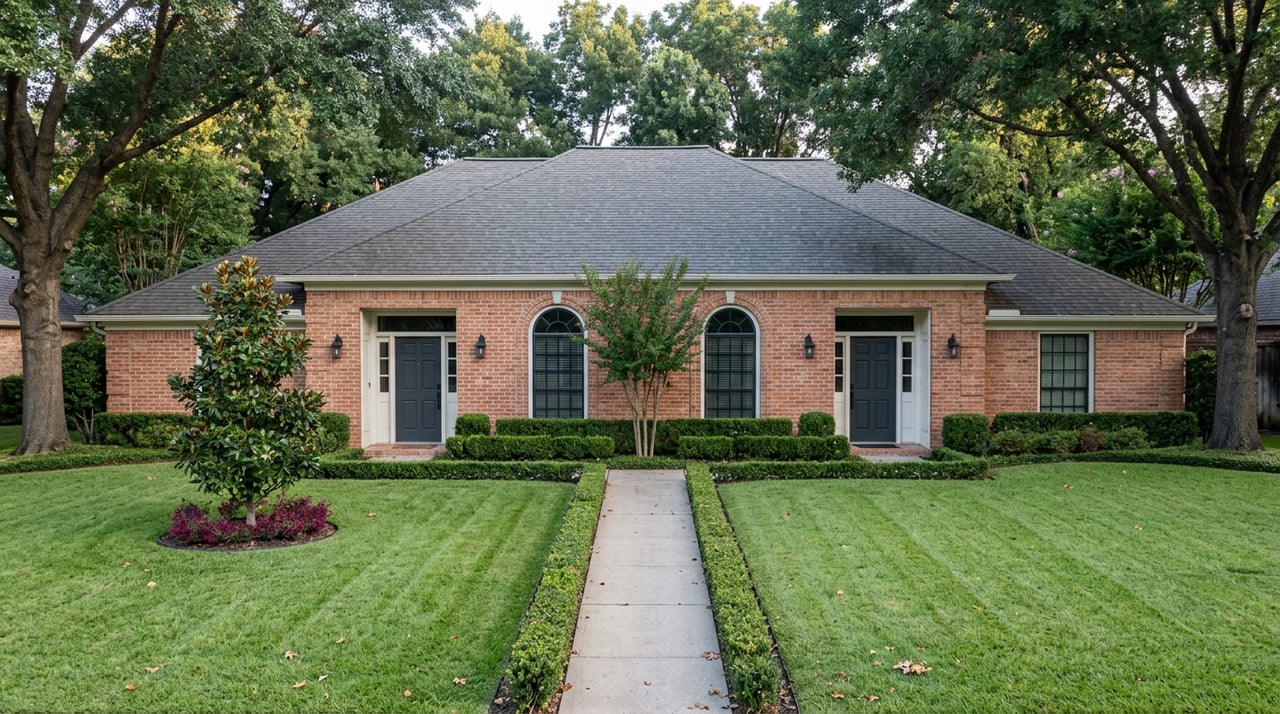
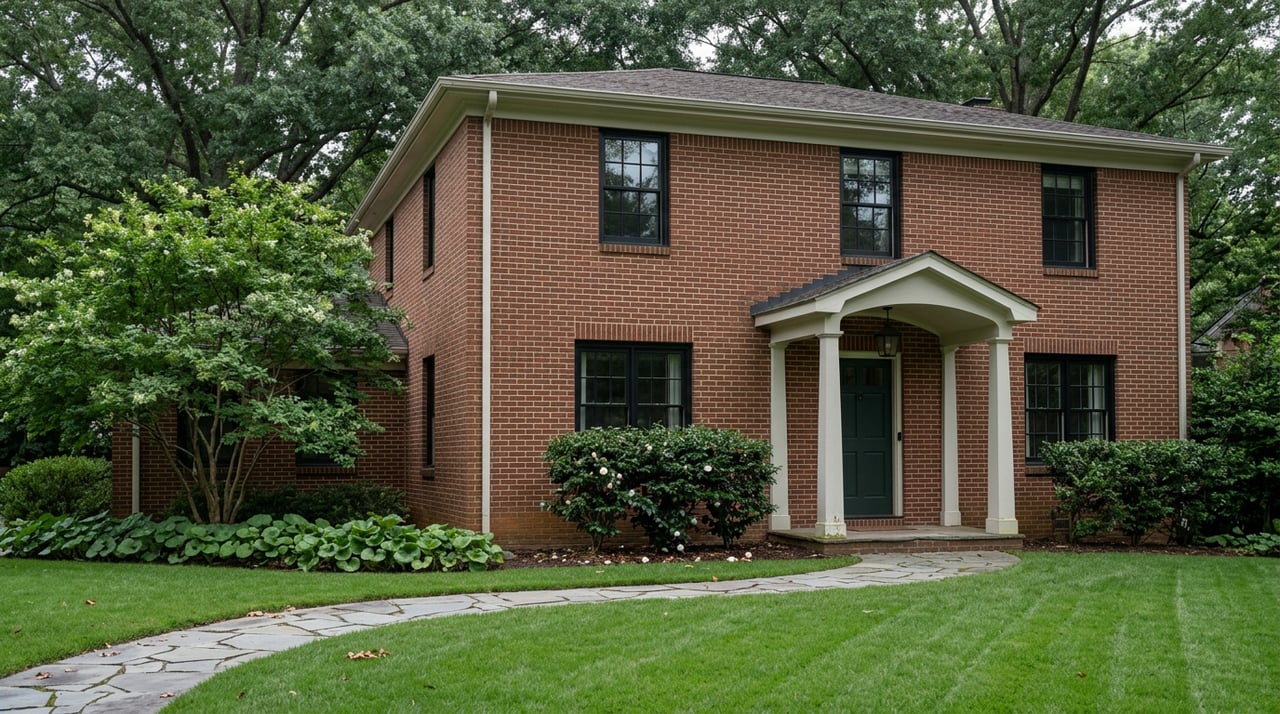
In Lakewood, you will find older homes from the 1920s through the 1950s alongside tasteful renovations and newer infill. Common styles include Tudor, Craftsman and Bungalow, Colonial, and mid-century. Lots tend to be moderate to large for an inner-city neighborhood, with some prime blocks offering generous parcels that have supported luxury renovations or tear-down and rebuilds. You will see a mix of fully updated homes and properties that invite a renovation plan.
What to look for as you tour:
- Overall structural condition versus cosmetic updates you can plan over time.
- Lot size and yard usability for a playset, pool, or garden.
- Shade, tree coverage, and sun orientation for energy and outdoor comfort.
- Parking and access, including garage size and street parking rules.
Forest Hills home profile
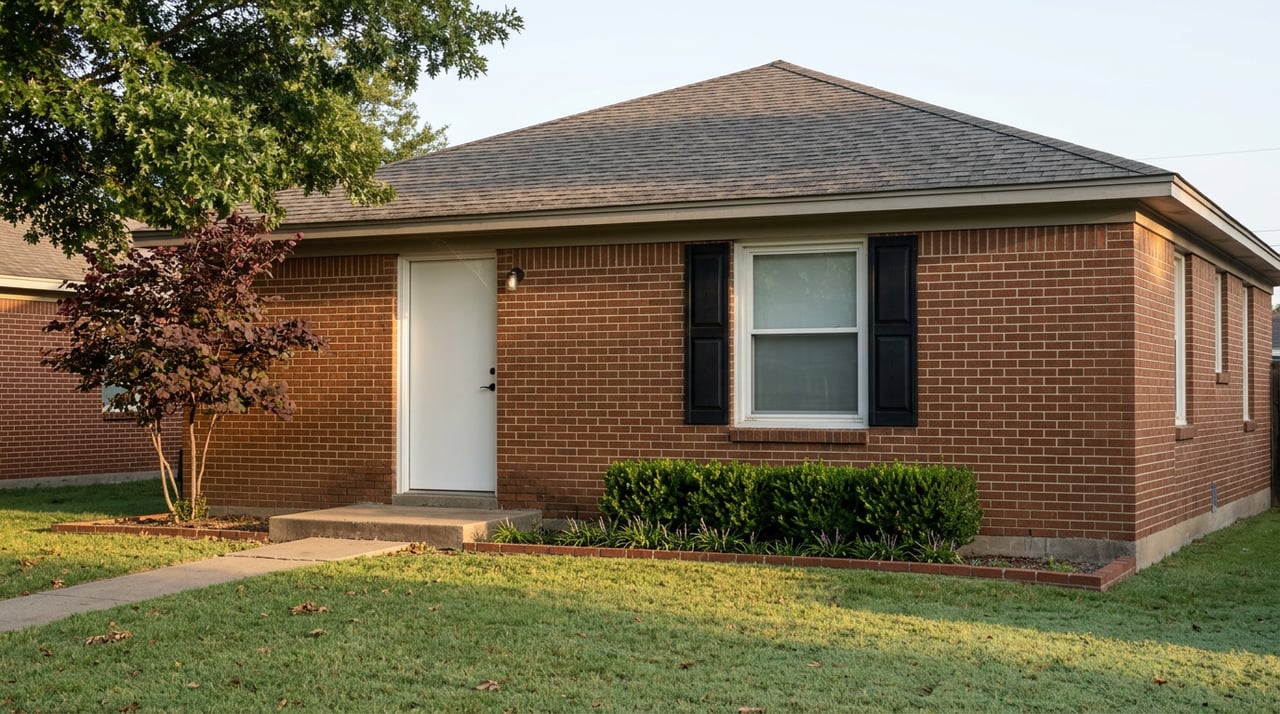
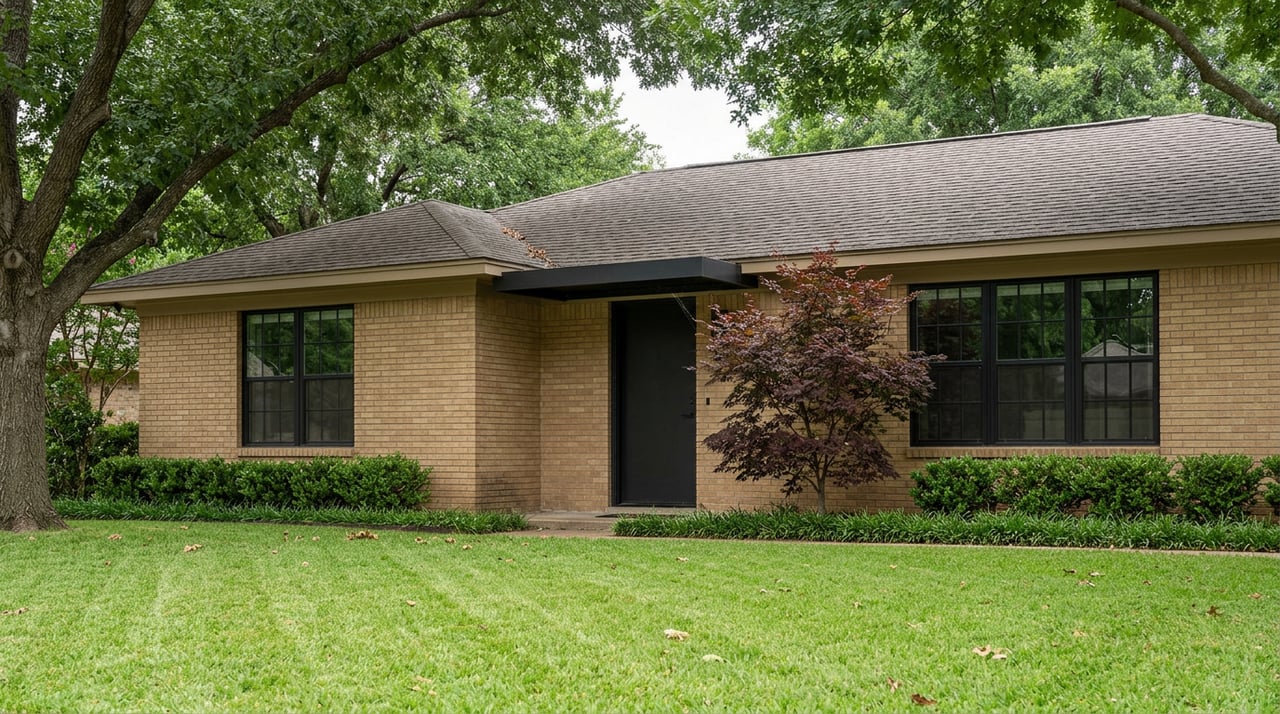
Forest Hills near the lake is typically more residential and may feel more uniform block to block. Expect many single-story ranch-style homes from the mid-century era, plus newer infill depending on the street. Lot sizes can be comparable to Lakewood’s interior blocks in some areas. Some pockets offer notable yard space that supports outdoor play or gardening.
What to look for as you tour:
- Floor plan flow and potential to open spaces or add on.
- Yard dimensions, slope, drainage, and privacy.
- Nearby through-traffic or busier streets that affect day-to-day quiet.
- Recent permits and improvements on mechanical systems.
Lifestyle and White Rock Lake access
Lake proximity and outdoor routine
Proximity to White Rock Lake is a defining difference. Many Lakewood blocks sit within an easy walk or bike ride to trails, boat rentals, and lakeside green space. That convenience can translate to frequent runs, dog walks, and weekend paddles. Forest Hills homes are often a short drive or bike ride from access points, which can mean quieter evenings and easier parking. You still enjoy the same regional amenities, just with a slightly different daily rhythm.
As you compare addresses, measure the distance to your preferred trailheads and note crossing safety along the route. Families often prioritize kid-friendly bike routes and sidewalks for strollers and scooters.
Dining, retail, and daily conveniences
Lakewood has a stronger concentration of restaurants and cafés within a short drive, clustered near established retail strips and neighborhood centers. It tends to feel busier on weekends and attracts destination dining. Forest Hills reads as more residential, so you will likely drive a bit farther to reach a wider range of dining and retail options. The upside is calmer streets and fewer late-night crowds.
To see how this fits your routine, list your must-have stops for groceries, coffee, takeout, and parks, then map typical drive times at peak hours.
Schools and family resources
School attendance zones in East Dallas can cut across small areas, so address-level verification matters. Many buyers weigh school performance indicators, specialized programs, and commute time to daycares, preschools, and pediatric care. Your ideal fit may come down to a specific elementary zone or access to a magnet or specialty program.
How to evaluate:
- Confirm attendance boundaries for each potential address.
- Review campus report cards and growth metrics through trusted education sources.
- Explore private and charter options within a short drive.
- Plan campus visits or connect with PTA contacts if possible.
A practical note: school zones can influence buyer demand and pricing. Making sure your target addresses align with your priorities can save you from an expensive mid-course correction later.
Pricing dynamics and buyer competition
Across East Dallas, homes closest to lake access and high-activity corridors often command a lifestyle premium. In Lakewood, that can translate to faster sales and stronger competition for updated homes on coveted blocks. In nearby Forest Hills pockets, you may find more square footage or yard for the price with a bit less competition depending on the street.
For a data-driven view, use a simple method:
- Pull all sold listings for the last 12 months in each neighborhood.
- Calculate the 25th, 50th, and 75th percentile sale prices. These become entry, mid, and upper bands.
- Note median square footage and price per square foot for context.
- Compare with current active listings and track median days on market.
This approach gives you a clear picture of what your budget buys and whether current inventory sits above or below recent sold benchmarks.
Commute and daily logistics
Your work location and schedule will shape the right neighborhood fit. Map your peak-hour drive times to Downtown, Uptown, and North Dallas from the short list of addresses you like. Then do the same for school drop-off, after-school activities, and weekend sports fields. Small differences in location can change your week more than you expect.
Pro tip: test drive your routes at the same time you would normally commute. Street-level realities, construction, and school traffic are easier to gauge in person.
Decision checklist: find your best fit
Use this checklist to align the neighborhood to your real life:
Lifestyle preference
- Lakewood: everyday walk or bike to White Rock Lake, more weekend activity nearby.
- Forest Hills: quieter residential vibe, short drive to the same lake amenities.
Home type and flexibility
- Lakewood: older homes with architectural character and renovated options, plus newer infill on some lots.
- Forest Hills: many ranch-style homes and newer infill, often with yard space for outdoor living.
Lot and outdoor space
- Compare DCAD lot sizes for target streets, then walk the yards for sun, shade, and usability.
Budget and value priorities
- Pay a premium for immediacy to trails and dining, or optimize for square footage and yard.
Schools
- Verify address-level attendance zones and campus offerings that match your needs.
Commute and daily routes
- Measure peak-hour times to work hubs, daycare, and activities from each short-listed address.
Resale outlook
- Review 5-year trend lines for appreciation, typical days on market, and list-to-sale price ratios using MLS or trusted aggregators.
On-tour checklist: what to evaluate in person
When you tour homes in Lakewood or Forest Hills, focus on the details that will impact daily life and long-term costs:
- Yard and lot
- Slope and drainage, tree coverage, and usable play or pool space.
- Street context
- Noise levels, through-traffic, and sidewalk activity at different times of day.
- Systems and structure
- Roof age, foundation conditions, HVAC and electrical updates, and past permits.
- Parking and access
- Driveway width, garage size, and guest parking availability.
- Operating costs
- Utility bills when available and property tax comparisons through county records.
How we help you compare with confidence
Choosing between two strong East Dallas neighborhoods is easier with a tailored plan. Here is what you can expect when you work with us:
Up-to-date comparables
- A 12-month sold analysis for Lakewood and Forest Hills with entry, median, and upper price bands, plus current actives for context.
Amenity and commute mapping
- A personalized map showing walk or bike distance to lake access, nearby parks, grocery stores, and dining, plus peak-hour drive times to your work hubs.
School boundary verification
- Address-level attendance checks and campus profiles aligned to your needs.
Virtual and in-person tours
- Live video tours for relocators, neighborhood drives, and coordinated in-person showings when you are ready.
Post-tour due diligence
- Seller disclosures, permit histories, and estimated improvement budgets for top contenders.
If you want daily lake access and a lively neighborhood core, Lakewood may feel like home. If you prefer quieter streets and yard space, Forest Hills may be your match. With the right data and a thoughtful tour plan, you will see the differences clearly and move forward with confidence.
Ready to compare homes and neighborhoods side by side? Reach out to Brianna East for a tailored East Dallas tour and a data-backed plan that fits your goals.
FAQs
What is the biggest difference between Lakewood and Forest Hills?
- Lakewood offers more immediate walk or bike access to White Rock Lake and a denser dining scene nearby, while Forest Hills is more residential and typically quieter with short drives to amenities.
How close are these neighborhoods to White Rock Lake access?
- Many Lakewood blocks are within walking or biking distance to trailheads, while Forest Hills homes are usually a short drive or bike ride away depending on the exact street.
Which neighborhood is better for walkability to dining and coffee?
- Lakewood generally has more restaurants and cafés in close proximity, while Forest Hills residents often drive a bit farther for a similar variety.
How should I compare schools between the two areas?
- Verify the address-level attendance zones for each home, review campus report cards and programs, and schedule school visits to confirm fit for your family’s needs.
What price ranges should I expect in Lakewood and Forest Hills?
- Prices vary by street and home condition; a 12-month sold analysis with 25th, 50th, and 75th percentile benchmarks in each neighborhood will show realistic entry, median, and upper bands.
I am relocating and need to decide quickly. What is the best approach?
- Start with virtual neighborhood drives and live video tours, request a data pack with comps and commute maps, then plan a targeted in-person visit focused on your top three streets and school zones.