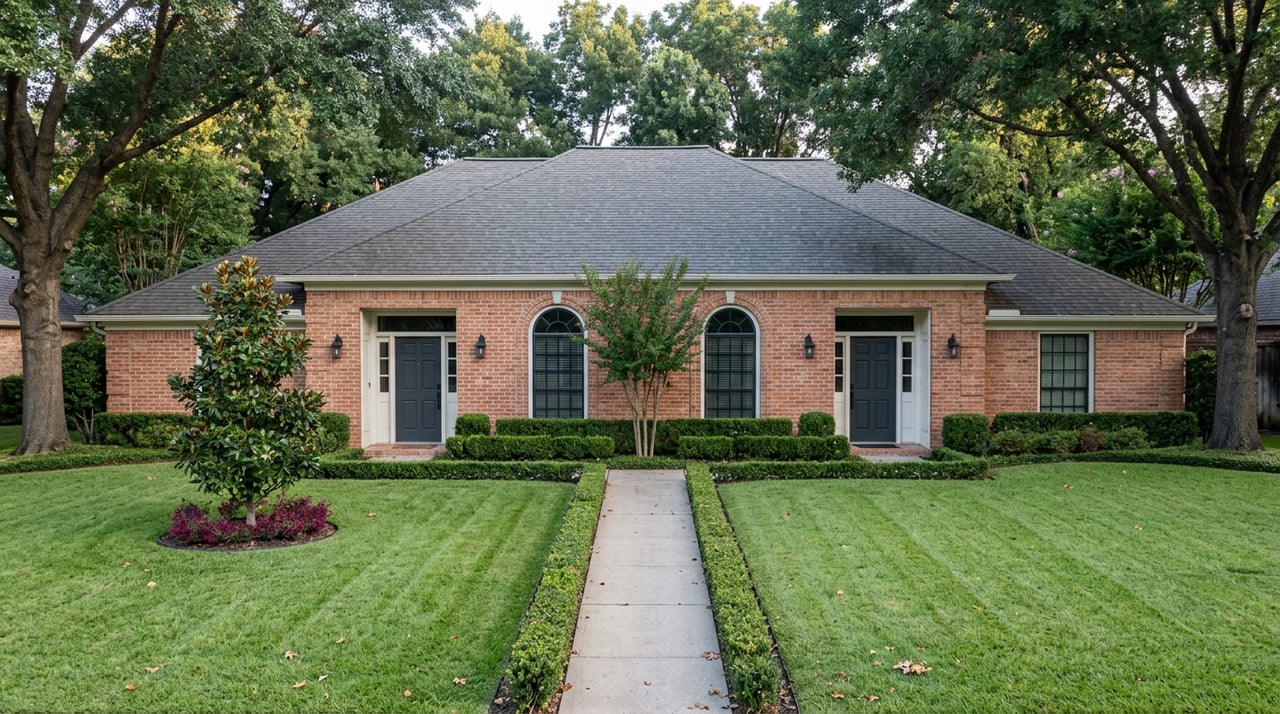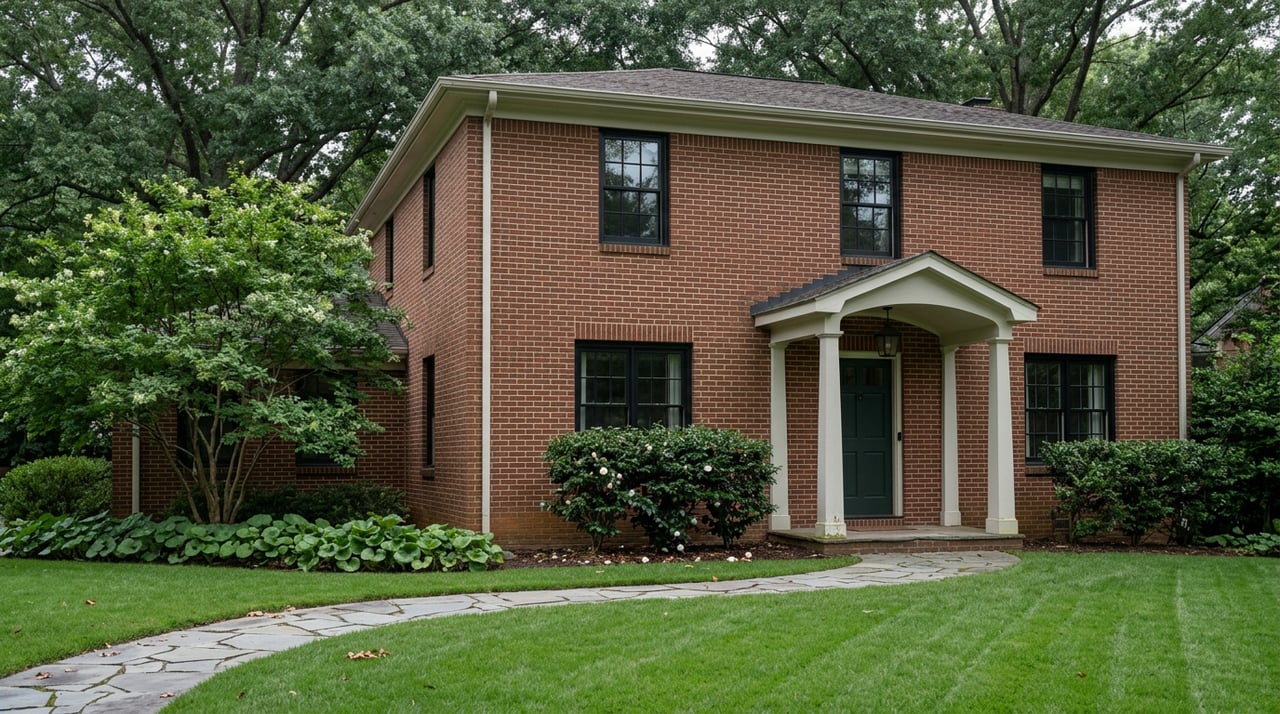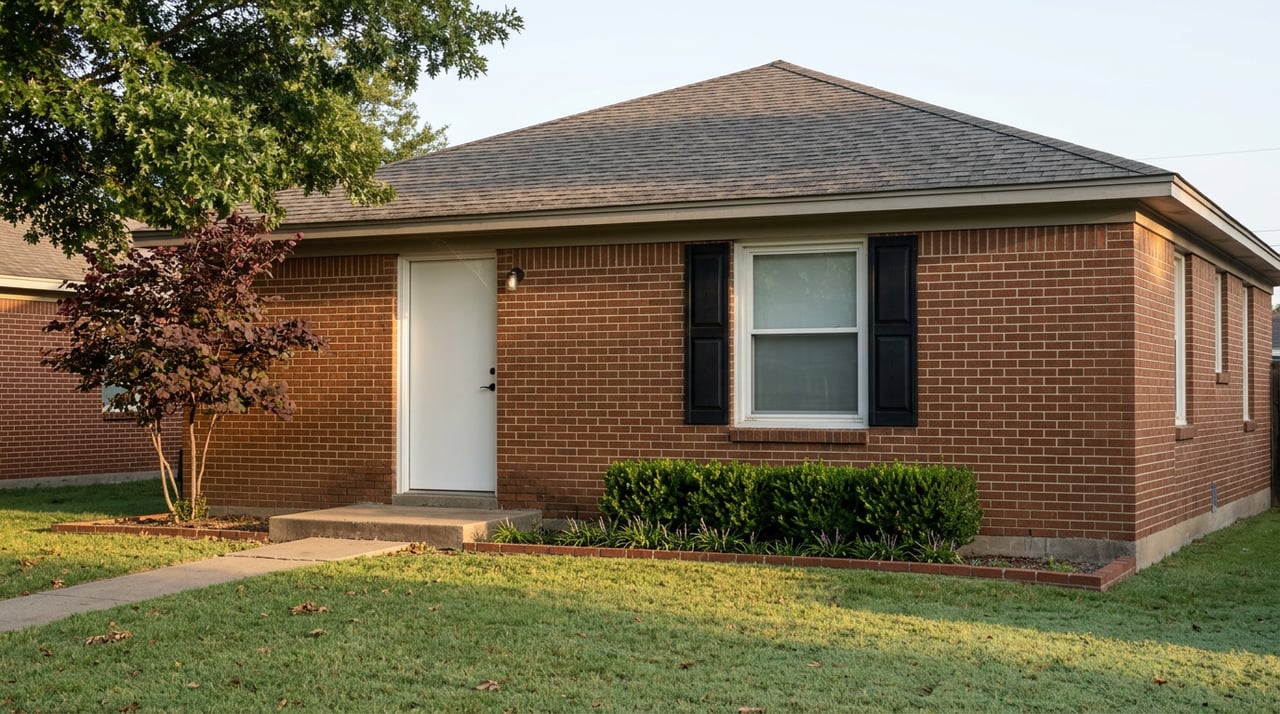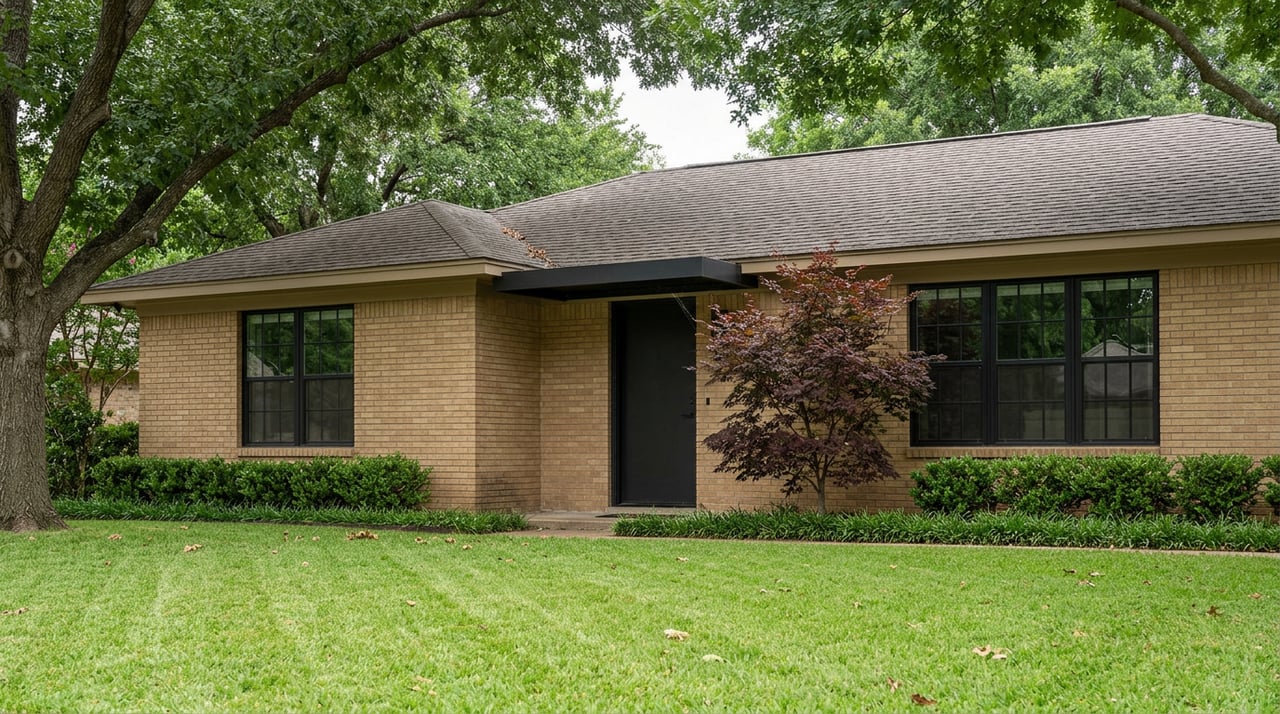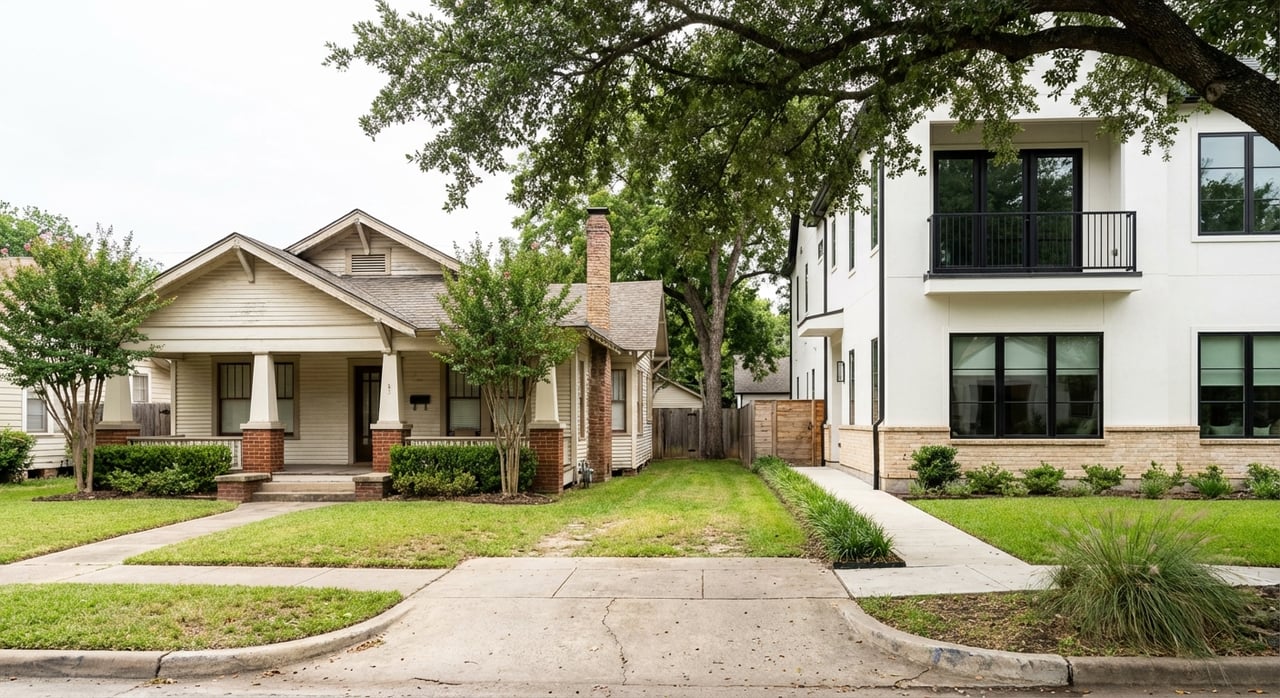
What do Craftsman bungalows, grand Swiss Avenue revivals, and edgy Deep Ellum lofts have in common? They all live side by side in Old East Dallas. If you love character homes but want practical guidance before you buy, you’re in the right place. In this guide, you’ll learn how to spot the major styles, what floor plans and sizes to expect, and the upkeep, costs, and rules that come with historic homes and loft conversions. Let’s dive in.
Why Old East Dallas looks so varied
Old East Dallas is a collection of distinct historic districts and commercial corridors, not just one subdivision. Swiss Avenue and Munger Place grew as early 20th century boulevards for high‑style homes, which is why you see a wide range of revival and Prairie designs there. You can explore that variety through the local Swiss Avenue Historic District resources.
Nearby, Peak’s Suburban Addition is one of Dallas’s oldest residential areas and keeps a mix of Victorian, Queen Anne, and early transitional homes. The story of Peak’s Suburban Addition helps explain why you see late‑19th and early‑20th century architecture on those blocks.
Deep Ellum started as a railroad and industrial district, then evolved into an arts and music hub, which is why you find converted warehouses and brick lofts there today. For a quick historic snapshot, see how Deep Ellum marked its 150th year.
Spotting the major home styles
Craftsman and bungalows
You’ll see many Craftsman bungalows in and around Junius Heights. Look for low‑pitched gabled roofs with wide eaves and exposed rafter tails, generous front porches with tapered or battered columns, grouped multi‑pane windows, and built‑ins like bookcases or window seats. These are classic American Craftsman markers, as outlined in this overview of historic home cues.
Typical plans run single story or one and a half stories, often around 800 to 1,800 square feet in original form. Many renovated bungalows in Old East Dallas fall in the 1,500 to 1,900 square foot range with reworked kitchens and baths. Expect 2 to 3 bedrooms and 1 to 2 baths in preserved examples.
What to know if you renovate: most early homes sit on pier‑and‑beam foundations, which makes access to plumbing and electrical simpler. In North Texas, expansive clay soils can still cause movement, so build a foundation check into your due diligence. Local resources outline common methods and ballpark costs in the DFW market, including foundation repair basics and pricing ranges. More on soils below.
Victorian and early revival homes
Peak’s Suburban Addition holds late Victorian cottages and early transitional homes with asymmetry and decorative trim. Swiss Avenue features large revival houses with formal symmetry, columns, masonry facades, and styles that range from Neoclassical and Tudor to Mediterranean and Prairie. You can scan the district’s style mix through Swiss Avenue style resources.
What to expect inside: smaller Victorian cottages often have compact rooms and modest storage unless expanded. Swiss Avenue homes are typically large and formal, often in the 2,500 to 6,000 plus square foot range with defined living and dining rooms and longer hallways.
Preservation tip: repair original millwork, plaster, windows, and tile where possible. The Secretary of the Interior’s Standards guide best practices on what to retain and how to alter historic features.
Regulatory note: if the property sits in a City of Dallas historic district or is individually landmarked, exterior changes usually need a Certificate of Appropriateness. Meeting minutes and agendas show the kinds of items the Landmark Commission reviews, like massing and window alignment. You can browse Landmark Commission records for examples.
Converted industrial lofts
In Deep Ellum, converted warehouses and factories deliver exposed brick, tall ceilings, massive windows, and open layouts. You get volume and light that are great for entertaining and flexible design, a key part of Deep Ellum’s draw as it evolved into an arts district. See a brief history in this Deep Ellum feature.
Tradeoffs to plan for include sound transfer between units, shared mechanical systems, and limited private outdoor space. Many buyers budget for acoustic underlayments, added insulation, and mechanical tweaks. For basics on multi‑family sound control, this soundproofing guide outlines common methods.
Newer infill townhomes
Infill townhomes dot several Old East Dallas pockets. Expect multi‑level plans with street‑facing entries, small or no front yards, roof decks, and private garages. Many projects range roughly 1,600 to 2,300 square feet with 2 to 4 bedrooms.
Zoning nuances are common with attached infill. Projects may proceed under multifamily or special approvals rather than a stand‑alone “townhome” category, so permitting can be case by case. City meeting videos offer context on how Dallas staff and commissions handle these items.
What renovations and upkeep to expect
Foundation and soil
Expansive clay soils are a leading cause of foundation movement in Texas, affecting both slab and pier‑and‑beam homes. Plan for a structural evaluation during option or due diligence. The state’s hazard mitigation planning highlights the soil challenge across Texas, which is a useful backdrop if you’re new to the region. You can read more in the State of Texas Hazard Mitigation Plan.
For costs, simple pier shimming may run a few thousand dollars, while more extensive underpinning can reach $10,000 to $25,000 or more depending on the system and number of piers. Always get a structural engineer’s opinion and multiple bids. This local overview shares typical foundation methods and ranges.
Systems and energy upgrades
Many older homes were built before modern HVAC, electrical, and plumbing standards. Common projects include upgrading older wiring, re‑piping galvanized lines, adding or replacing central HVAC, and improving insulation. Where you have original wood windows, the preservation approach is to repair first and add weather‑stripping or interior storms for efficiency. The National Park Service’s Preservation Briefs explain why. See wood window repair guidance.
Historic district reviews
If you plan an addition or want to change visible exterior materials, check whether the home is in a City of Dallas historic district and speak with the neighborhood group early. Many districts have specific rules on porches, setbacks, and visible openings. The Landmark Commission uses the Standards as a review benchmark. You can browse Dallas Landmark Commission proceedings for examples of what typically gets approved.
Loft and condo considerations
Converted warehouses are often condominium regimes with HOA rules. Verify the certificate of occupancy, legal bedroom counts, and any renovation constraints. Sound isolation and mechanical separation are frequent comfort upgrades in older conversions, which you can approach using resilient channels, insulation, or underlayments similar to those outlined in this multi‑family sound control guide.
Typical remodel budgets
Kitchen and bath remodels drive the biggest updates. National remodeling reports show a wide range by scope, from modest refreshes to full gut projects that push into the higher tens of thousands. For market context on costs versus value, see the latest Cost vs. Value overview, then ground your plans with local contractor bids.
Quick maintenance checklists by style
Craftsman and bungalows:
- Monitor crawlspace moisture and ventilation, and keep an eye on pier‑and‑beam movement.
- Maintain roof and porch structure, plus original windows and built‑ins.
Victorian and Swiss Avenue revivals:
- Budget for masonry, slate or tile roof care, and larger mechanical systems.
- Expect extra steps for visible exterior work due to historic review.
Deep Ellum lofts:
- Review HOA documents, HVAC capacity, soundproofing measures, elevator service, and parking rules.
New infill townhomes:
- Learn HOA rules, garage access logistics, rooftop deck maintenance, and small‑lot drainage.
Smart questions to ask on a tour
- What year was the home built, and is it in a City of Dallas historic district or considered a contributing structure? Local district pages like Swiss Avenue’s resources are helpful.
- Is there a recent foundation report or engineer’s letter? See this overview of DFW foundation repair norms to frame your questions.
- When were the electrical, plumbing, and HVAC systems last updated, and were permits pulled?
- Will planned exterior changes need a Certificate of Appropriateness, and what drawings or samples are required? You can scan Landmark Commission records for examples.
- For lofts or condos, what do the CC&Rs say about renovations, rentals, parking, and amenities?
How to choose the right fit
If you want original character and a front porch lifestyle, a Craftsman bungalow may be your match. If you love formal rooms, statement architecture, and larger lots, explore Swiss Avenue and Munger Place estates. If you prefer open plans and skyline proximity, a Deep Ellum loft or a modern townhome could be the simplest path to low‑maintenance living. Whichever path you choose, plan for a thorough inspection, a clear view of historic rules if they apply, and a renovation budget that fits your timeline.
Ready to walk through options and compare tradeoffs? Connect with Brianna East to tour homes, confirm historic district requirements, and line up inspectors and contractors who understand Old East Dallas.
FAQs
What is a Craftsman bungalow in Old East Dallas?
- A Craftsman typically has a low‑pitched gabled roof, wide eaves with exposed rafter tails, a deep front porch with tapered columns, grouped windows, and interior built‑ins like bookcases and window seats.
Do I need approval to change a historic home’s exterior in Old East Dallas?
- Yes if the property is in a City of Dallas historic district or is individually landmarked. Most exterior changes need a Certificate of Appropriateness reviewed by the Landmark Commission. See recent Landmark Commission items for examples.
How big are Swiss Avenue homes compared to bungalows?
- Swiss Avenue houses are often much larger, commonly about 2,500 to 6,000 plus square feet with formal rooms, while traditional bungalows often range from roughly 800 to 1,800 square feet unless expanded.
What should I budget for Dallas foundation repairs?
- Minor pier adjustments can be a few thousand dollars. More extensive underpinning can reach $10,000 to $25,000 or more depending on scope and method. See DFW foundation repair ranges and get a structural engineer’s opinion.
Are Deep Ellum lofts louder than single‑family homes?
- Lofts can have more sound transfer due to shared walls and floors. Many owners add acoustic underlayments, insulation, and resilient channels to reduce impact and airborne noise. Review this soundproofing overview for common approaches.
Can I replace original windows in a historic home?
- Replacement is not always required. Preservation guidance favors repairing original wood windows and improving efficiency with weather‑stripping or interior storm panels. See wood window repair best practices.