Search "Lakewood Dallas median home price" and you will find three different answers within the same few weeks of 2026. One puts it at $1.6 million as of February. Another puts it at $1,674,000 as of May. A third, reviewing the same stretch of the year, lands closer to $1.05 million. These are not typos or stale caches. They are measuring three different things and calling all three "Lakewood."
The confusion is not a data problem. It is a geography problem. Lakewood was never one housing market. It is a name that got applied, somewhere along the way, to close to a dozen distinct subdivisions with their own histories, lot sizes and price tiers, and most portals and reports blend them into a single number without saying so.
Three numbers, one zip code
Lakewood sits inside the 75214 zip code, bounded roughly by Mockingbird Lane to the north, Abrams Road to the west, Gaston Avenue to the south and White Rock Lake to the east. Within that boundary, one aggregator's February 2026 read put the median sale price at $1.6 million, up 20.8 percent year over year. A separate calculation for May 2026 put the figure at $1,674,000, with homes ranging from $535,000 to nearly $15 million and averaging 41 days on market. A third widely cited market report for the same stretch of the year put Lakewood's median closer to $1.05 million, up a comparatively modest 4.2 percent year over year.
A 50 percent swing on the same neighborhood in the same year is not noise. It means the underlying pool of homes each source counted was different. Some counts include the historic Conservation District's architect-built estates. Some weight toward the smaller lots west of Abrams. Some catch a run of $2 million-plus new construction that happened to close that month and pull the median with it. None of them is wrong. They are just answering "what did Lakewood sell for" with different definitions of Lakewood.
Ten neighborhoods wearing one name
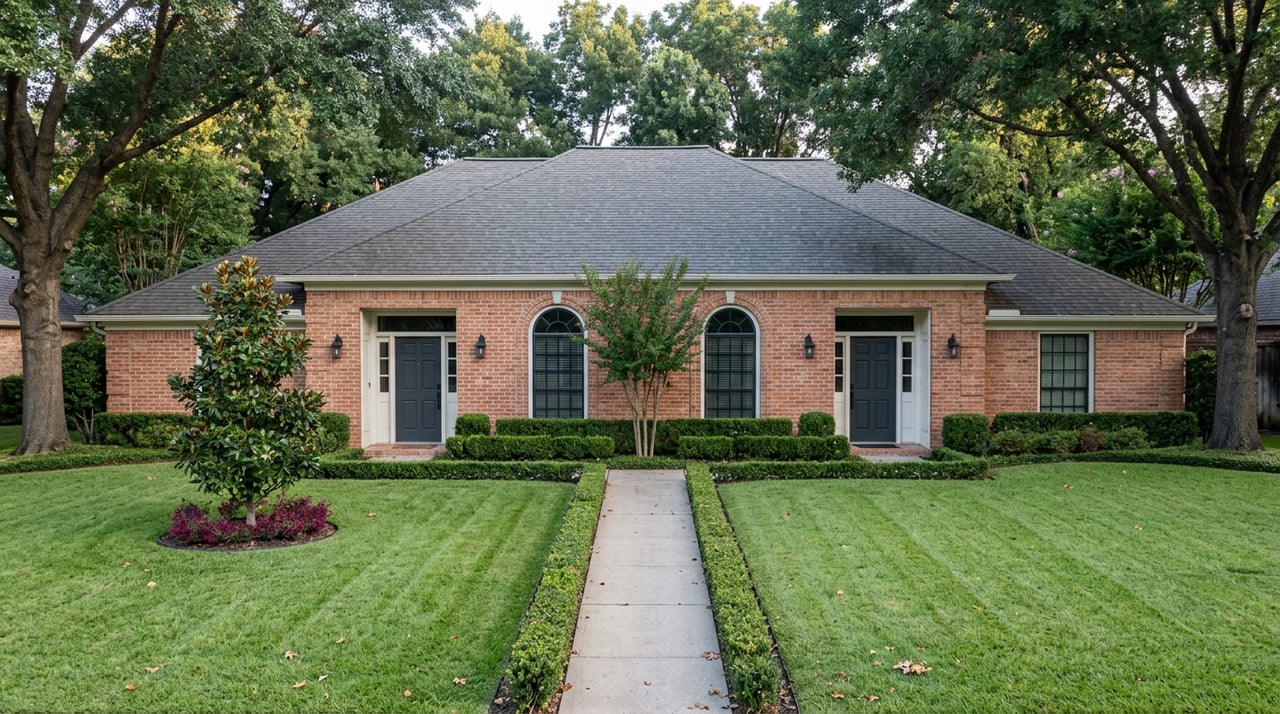
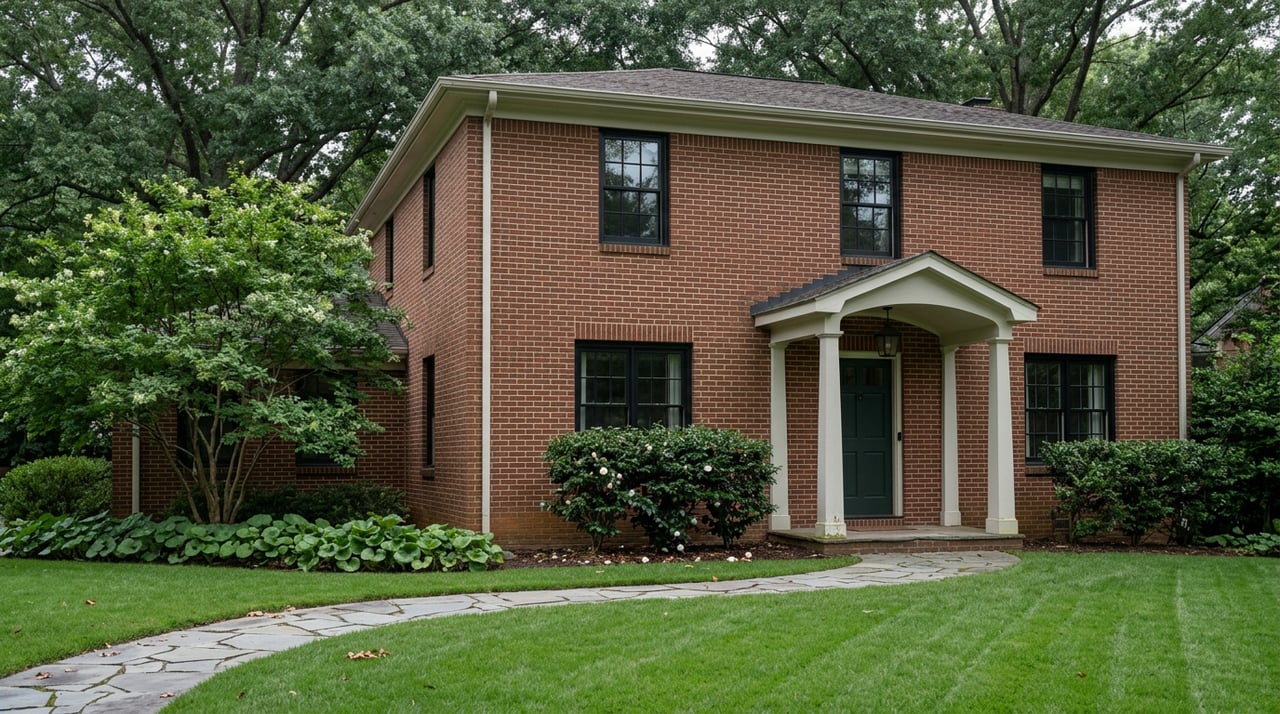
Lakewood proper is surrounded by, and commonly lumped together with, a collection of named subdivisions: Lakewood Heights, Bob O Links, Caruth Terrace, Hillside, Lakewood Hills, Hollywood Heights, Belmont and the Lakewood Conservation District, among others, according to background compiled on Wikipedia's entry for Lakewood, Dallas. Each has its own building era, lot dimensions and construction history. A listing in the Conservation District, where architects like Charles Dilbeck and Arch Swank designed Spanish Colonial and International-style estates in the 1920s and 1930s near the Lakewood Country Club golf course, is not competing in the same price tier as a bungalow lot in Lakewood Heights. Yet both show up under the same neighborhood label on most search platforms.
This matters for anyone comparing Lakewood to Lake Highlands, Forest Hills or another East Dallas neighborhood. A median price only tells you something useful if you know which slice of the neighborhood it represents. Otherwise you are comparing an average of very different housing stock to a more uniform one somewhere else and drawing the wrong conclusion about relative affordability.
Where the number actually comes from: Lakewood Heights and the teardown math
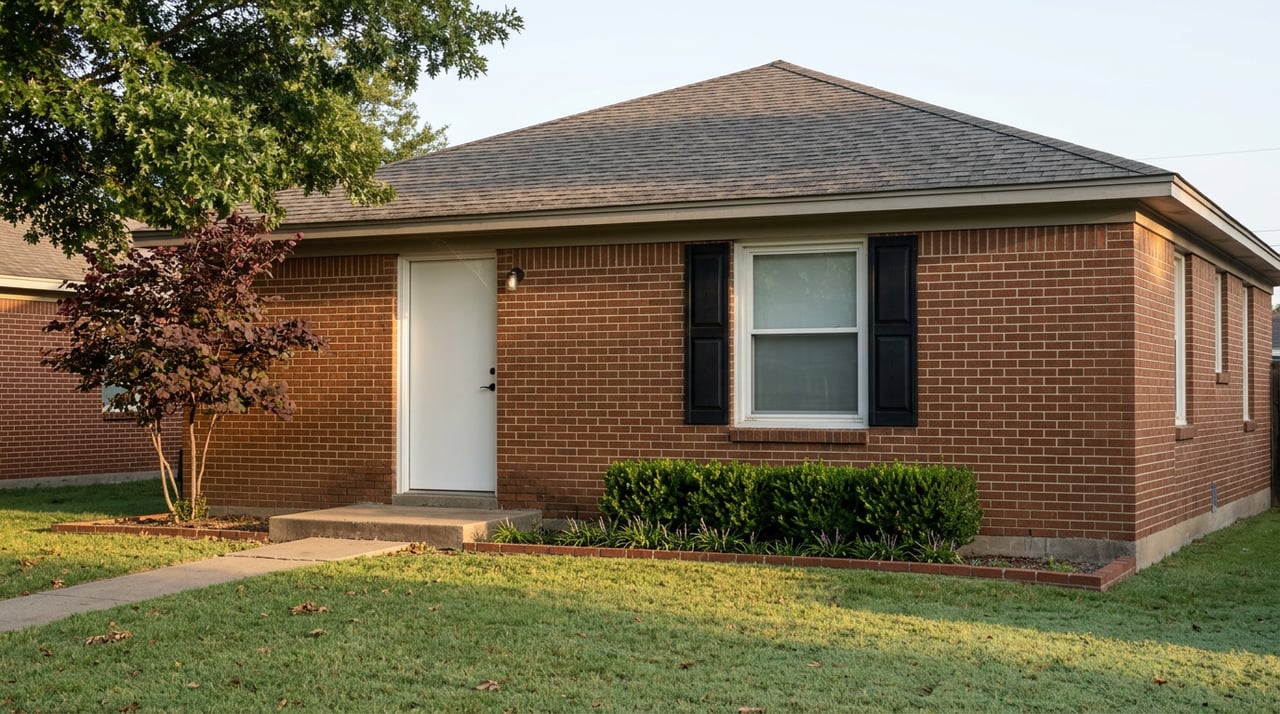
The clearest example of how one pocket can distort the whole is Lakewood Heights, the roughly 240-acre subdivision west of Abrams Road platted in 1913 and largely built out by 1940. Lots there typically run 50 to 60 feet wide and 140 to 220 feet deep, tighter than the broader Lakewood average. The original housing stock was small bungalows, Tudor cottages and Craftsman homes.
That original character is what put Lakewood Heights on Preservation Dallas's list of Texas's Most Endangered Places in February 2006. The designation came after years of teardown activity that replaced what had been "a simple neighborhood of bungalows" with two-story new construction running double the square footage of the homes it replaced, according to Preservation Dallas's neighborhood survey. That pattern has not reversed. It has accelerated. The "C Streets" pocket within Lakewood Heights is currently one of the more active infill corridors in East Dallas, with builders including Avant Group and longtime Lakewood builder Frank Blanchard delivering new construction on former bungalow lots, several zoned to Lakewood Elementary and priced well above $1.5 million.
Meanwhile, the neighborhood's older housing stock still anchors the low end. Census-based estimates put the median value of owner-occupied homes in Lakewood Heights at $408,067, with a population around 2,705 across roughly 987 households and 78 percent owner-occupancy. Put a $408,000 median value pocket and a $1.5 million-plus new-construction pocket in the same subdivision, then fold that subdivision into a broader "Lakewood" median with the Conservation District's architect estates, and it becomes obvious why three sources can report three different numbers without any of them being wrong.
Comparing Lakewood's named pockets
| Era and character | Typical lot | What's active there now | |
|---|---|---|---|
| Lakewood Heights | 1913-1940 bungalows, Tudor cottages, Craftsman homes | 50-60 ft wide, 140-220 ft deep | Teardown-to-new-construction infill, concentrated in the C Streets |
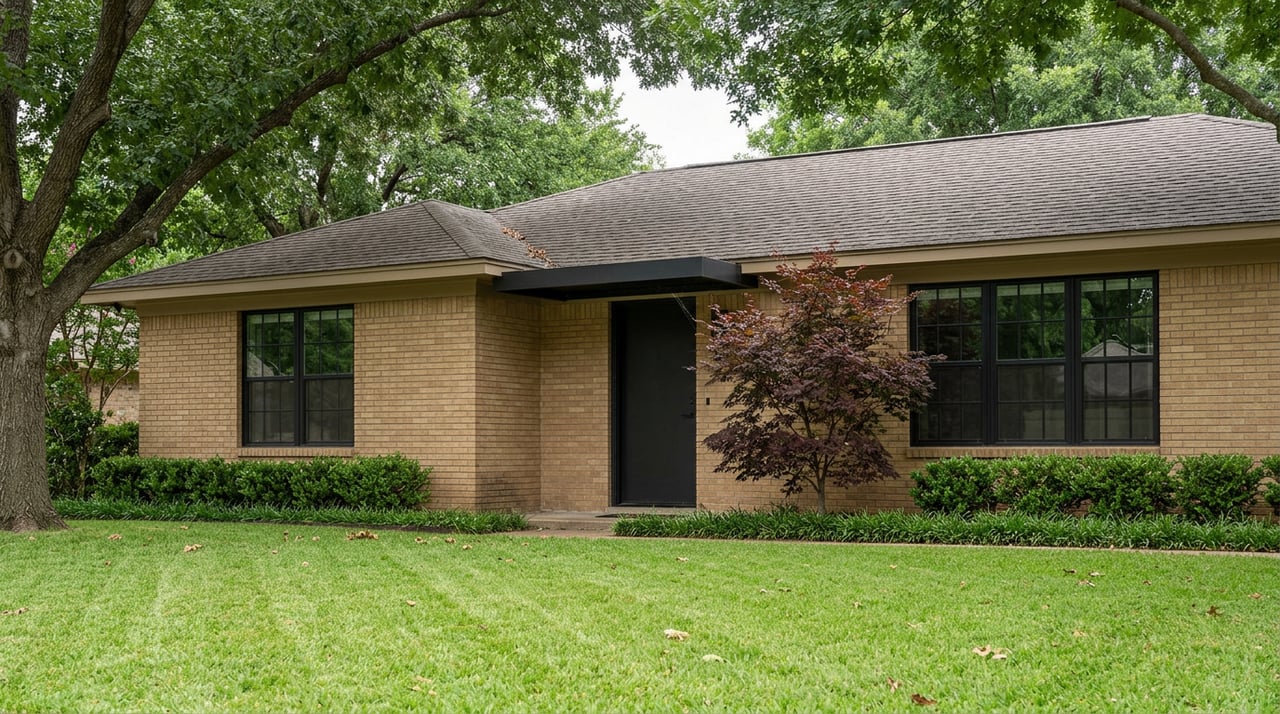
| Bob O Links / Bob O Links Downs | Developed 1973 on a former 9-hole golf course; mid-century ranch homes | Larger, suburban-scale lots | Mix of original ranch homes and newer builds; some oversized lots near a quarter-acre |
| Lakewood Conservation District | 1920s-1940s architect-designed estates (Dilbeck, Swank, DeWitt, Hutsell) | Larger estate lots near Lakewood Country Club | Historic preservation focus; limited turnover |
| Caruth Terrace | Traditional, ranch and Tudor styles near White Rock Lake | Established mid-size lots | Steady renovation activity, less teardown pressure than Lakewood Heights |
What this means if you are comparing Lakewood to other neighborhoods
If you are weighing Lakewood against Lake Highlands or Forest Hills using a single median number, ask which pocket that number is drawing from before you treat it as representative. A buyer looking at entry-level inventory should expect homes needing real updates to price well below the neighborhood-wide median, often in the range that predates the current wave of new construction. A buyer targeting a fully renovated or newly built home, particularly in the C Streets or similar infill corridors, should expect to clear well past that median, sometimes by hundreds of thousands of dollars for comparable square footage in an older pocket.
The shared amenities are real regardless of which pocket you land in. Every part of Lakewood sits within reach of Tietze Park, the Dallas Arboretum, the Lakewood Country Club and the restaurants clustered around the Lakewood Shopping Center, including long-running names like Mi Cocina, Cane Rosso, Liberty Burger and Hudson House. What differs is the housing stock underneath that shared identity, and that difference is exactly what a single median price cannot show you.
A few questions worth asking before you compare numbers
Is all of Lakewood zoned to Lakewood Elementary? No. Lakewood Heights is zoned primarily to Geneva Heights Elementary, with some addresses zoned to Mockingbird Elementary. J.L. Long Middle School and Woodrow Wilson High School, which offers an International Baccalaureate program, serve the broader area including Lakewood Heights.
Why is so much new construction concentrated in Lakewood Heights specifically? The subdivision's smaller, older lots and central location make it an efficient target for teardown-and-rebuild projects, a pattern that predates the current cycle by two decades and was significant enough to earn statewide preservation attention back in 2006.
Does "move-in ready" cost meaningfully more than a fixer in the same subdivision? Yes, and the gap can run into the hundreds of thousands of dollars within the same few blocks. A smaller home needing updates and a fully renovated home of similar size on a similar lot are effectively different products even when they share a mailing address.
If you are trying to figure out which version of Lakewood actually fits your budget and your timeline, a single portal median will not answer that question. Brianna East works East Dallas block by block, not zip code by zip code, and can walk you through which pocket makes sense for what you are trying to do. Let's Connect.