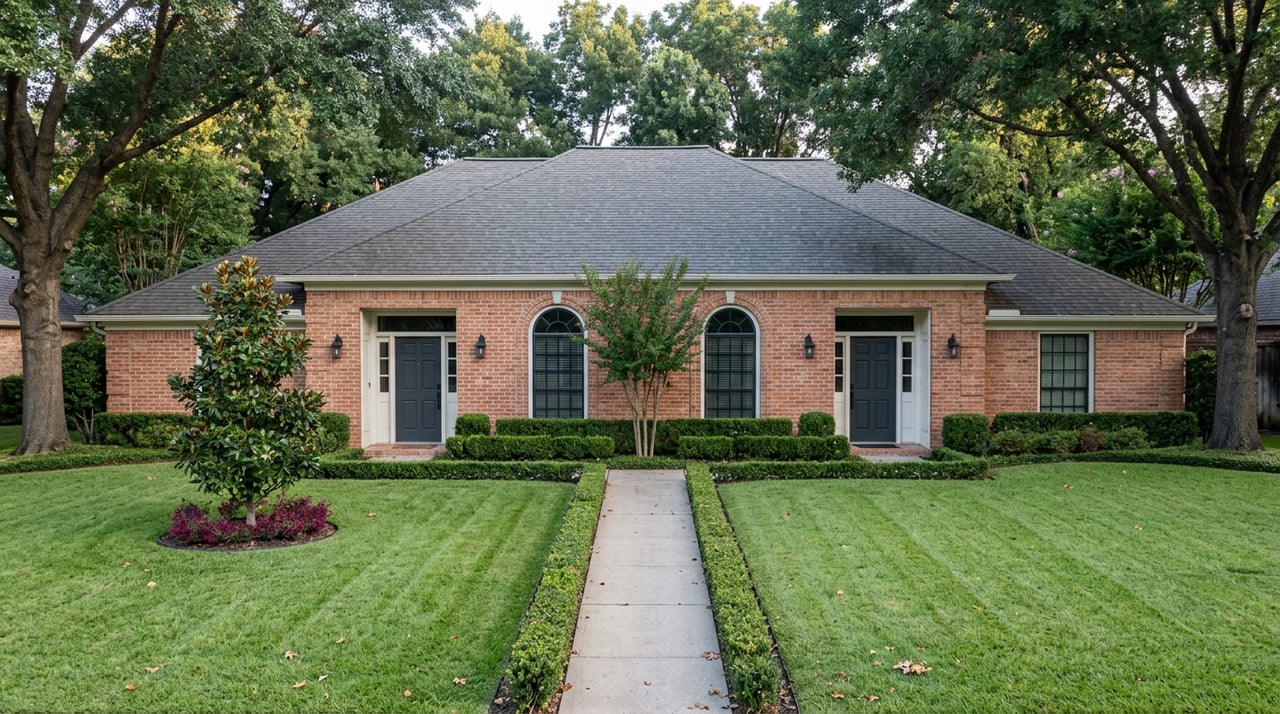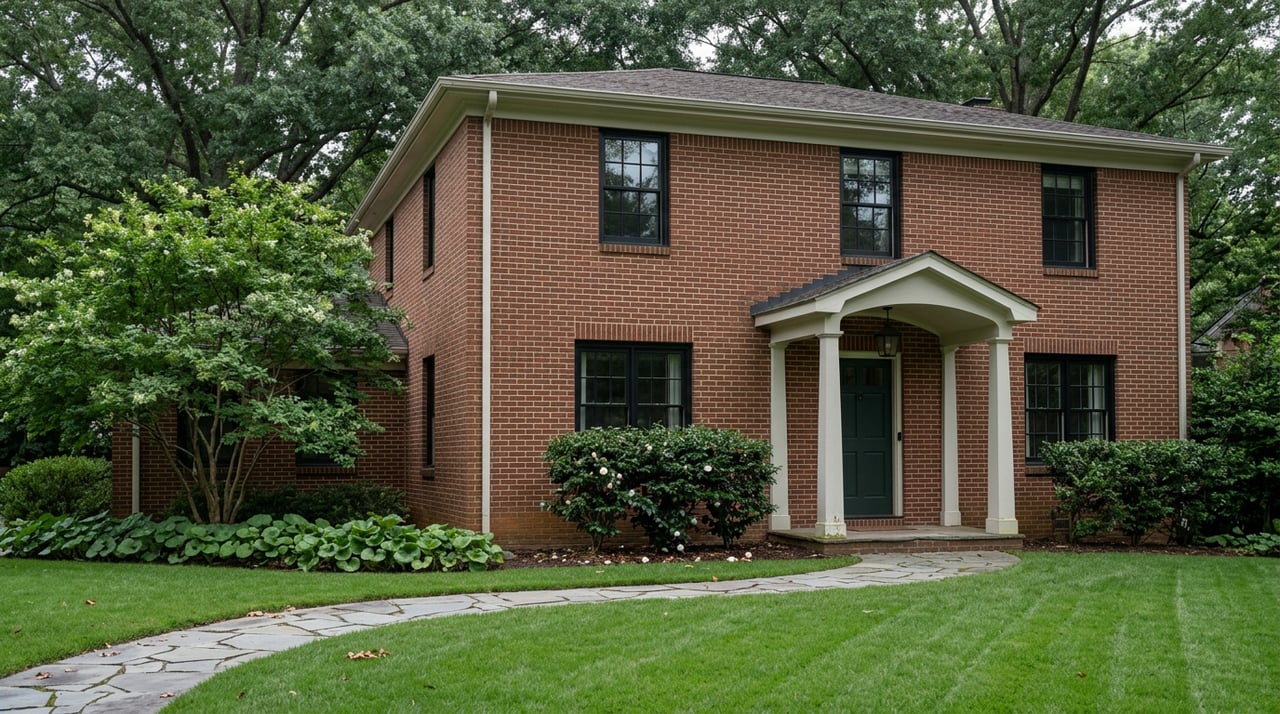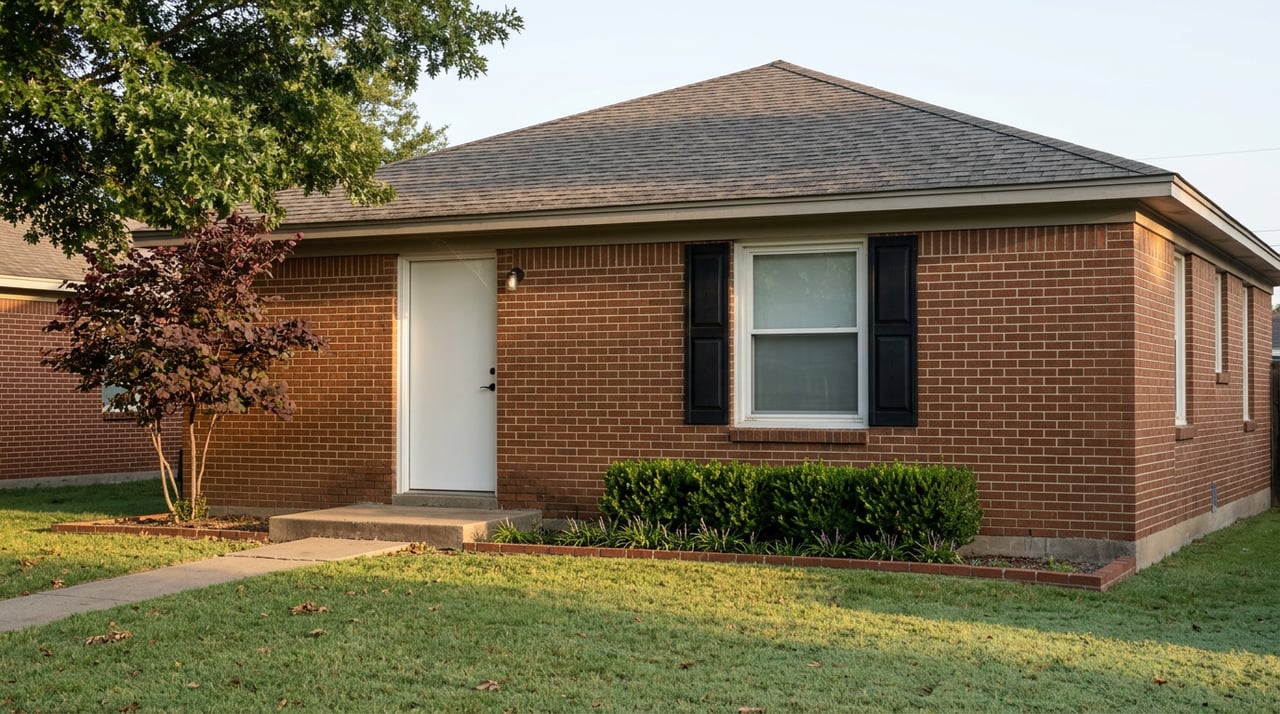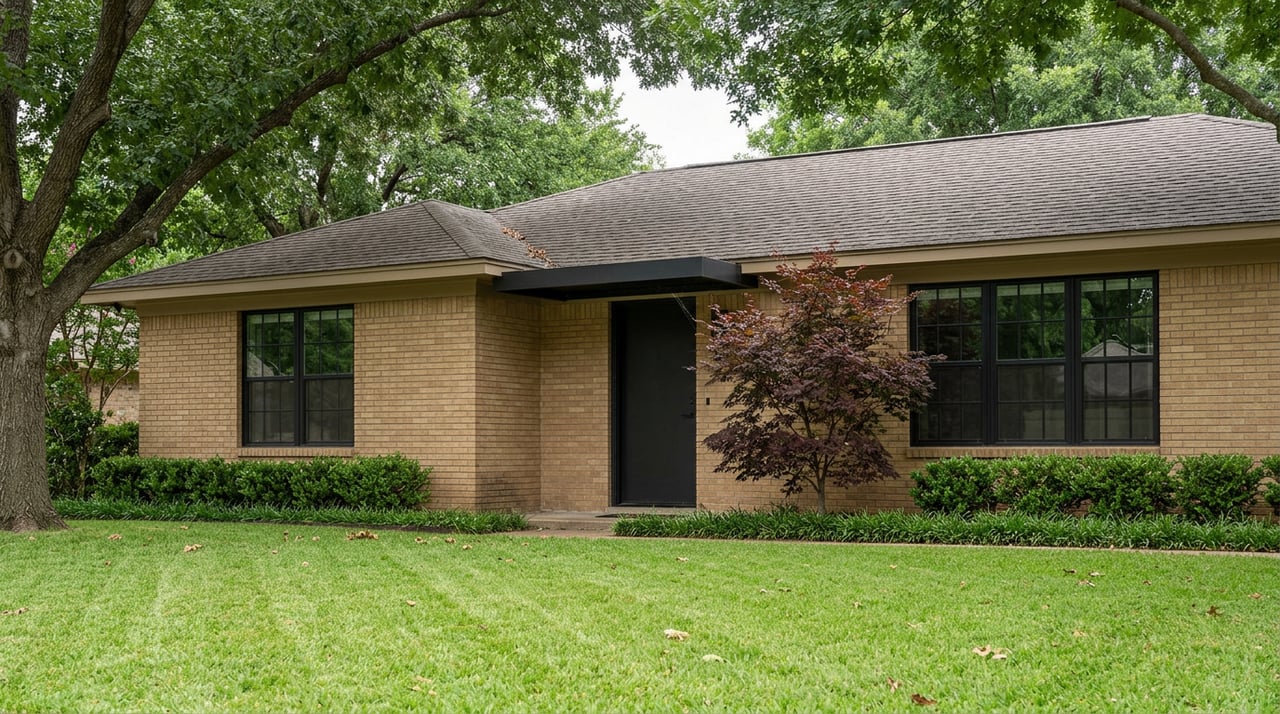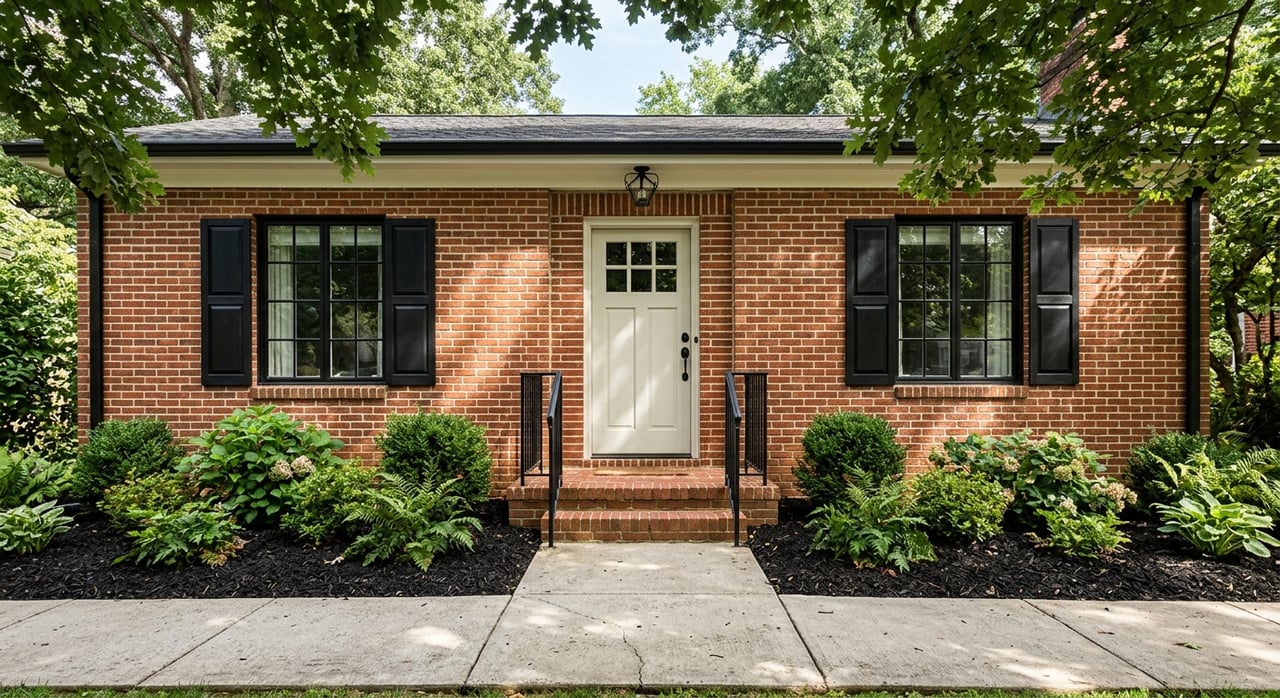
If you’re thinking about selling a historic Hollywood Heights home, you’re not just listing another property. You’re preparing to market a house with character, age, and neighborhood context that buyers will notice right away. The good news is that with the right prep, pricing, and documentation, you can highlight the charm buyers want while reducing avoidable surprises. Let’s dive in.
Why Hollywood Heights selling is different
Hollywood Heights and Santa Monica are known for homes with roots in the 1920s, including Tudor cottages and other revival styles with brick, stone, and stucco details. The neighborhood was originally developed as a middle-class oasis, and its period architecture remains part of what makes it so appealing today.
That history can work in your favor when you sell. Buyers are often drawn to original details, mature trees, and the East Dallas setting near White Rock Lake. At the same time, older homes tend to bring more questions about condition, maintenance history, and whether past exterior work followed district rules.
Know the conservation district rules
Hollywood / Santa Monica is Dallas Conservation District No. 6. That matters because conservation districts have neighborhood-specific standards for development and exterior architectural changes.
Before your home goes live, it is smart to review any exterior updates that have been made over the years. Additions, fences, setbacks, lot coverage, parking changes, landscaping, and height-related issues can all come into play, especially if a buyer starts asking for records during the option period.
Gather exterior work records early
If you have documents for visible exterior work, pull them together before listing. This may include permits, approval letters, contractor invoices, plans, and receipts.
Having these records ready can help you answer buyer questions with confidence. It also helps your listing feel more organized and transparent, which matters in a market where presentation and trust carry real weight.
Start with moisture and drainage
For older and historic homes, moisture is one of the biggest issues to look at first. According to the National Park Service, uncontrolled moisture is the most common cause of deterioration in older and historic buildings.
That makes your first inspection dollars especially important. Before listing, it often makes sense to evaluate the roof, flashing, gutters, downspouts, site drainage, plumbing leaks, and attic or crawlspace ventilation.
Watch for common warning signs
A few signs deserve attention before buyers point them out during showings or inspections:
- Wet stains on ceilings or walls
- Mold or mildew
- Efflorescence on masonry surfaces
- Condensation on windows or walls
- Damp attic conditions
- Drainage issues around the house
Even small moisture issues can raise bigger concerns in a buyer’s mind. If you address them early and keep records of the work, you can present your home as well cared for rather than deferred.
Preserve original windows and doors
In a neighborhood like Hollywood Heights, original windows and doors are often part of the home’s appeal. They are not just architectural details. They can also be a meaningful selling feature when they have been maintained or repaired.
The National Park Service notes that historic windows can often be repaired or upgraded, and that steps like caulking and weatherstripping should be considered before replacement. It also notes that replacement windows do not usually pay for themselves quickly.
Market repair work, not just replacement
If you have repaired original sash, preserved trim, or maintained storm windows, document that work. Buyers who want historic character often appreciate knowing what remains intact and what has been improved for comfort.
When you market the house, these details can support the story that the home has been updated thoughtfully without losing its original feel. That combination of preservation and usability is often the sweet spot.
Be careful with historic masonry
If your home has original brick, stone, or stucco details, avoid last-minute cleaning or sealing that could do more harm than good. The National Park Service warns that aggressive cleaning methods and water-repellent coatings can damage historic masonry.
That means pressure washing or sealing original materials just to freshen up the exterior may backfire. A better approach is to focus on maintenance and repair decisions that protect the material rather than alter it.
Prepare for lead paint questions
Because many homes in the neighborhood date to the 1920s and 1930s, lead-based paint is a realistic issue to address. The EPA says 87 percent of homes built before 1940 contain some lead-based paint.
This does not mean every older home has an active hazard, but it does mean buyers may ask smart questions. Deteriorated paint on friction surfaces like window sashes and doors tends to be a particular concern, so it helps to know what condition those areas are in before you list.
Understand the required lead disclosure
For most pre-1978 housing, federal lead disclosure rules apply. Sellers must disclose known lead-based paint hazards, provide available records and reports, deliver the required lead pamphlet, and give buyers a 10-day opportunity for a lead inspection or risk assessment unless that right is waived.
If you already have reports or records, keep them easy to access. Being prepared can make this part of the sale feel routine instead of stressful.
Get ahead of Texas seller disclosures
In Texas, most sellers of a one-dwelling-unit residential property must provide a written disclosure of the property’s condition. The current TREC Seller’s Disclosure Notice was updated in 2026 and includes questions about items such as current insurance coverage, private roads, aboveground storage tanks over 500 gallons, and conservation easements.
For a historic home, this form is especially important because buyers will usually be looking closely at systems and maintenance history. The form asks about major systems and components such as the roof, plumbing, heating and cooling, and fireplaces or chimneys.
Treat disclosures like part of your prep plan
The TREC form states that it is a disclosure of the seller’s knowledge, not a substitute for inspections or warranties. In other words, a complete form matters, but it will not replace the buyer’s need to understand an older home’s full condition.
That is why it helps to gather service records, repair receipts, inspection reports, and contractor documentation before your listing launches. When buyers ask questions, you want answers ready.
Focus your marketing on character and usability
The best positioning for a Hollywood Heights home is usually not “old but updated.” A stronger message is preserved character plus practical comfort.
That might include a preserved façade, repaired original windows, improved storm windows, documented roof or gutter work, moisture remediation, or repairs that saved original wood, glass, or masonry. These are the kinds of updates that respect the home’s history while helping it function well for today’s buyer.
Anticipate the questions buyers will ask
Historic-home buyers often want details, not just pretty photos. Be ready to answer questions like:
- Which original details are still intact?
- Were the windows repaired, weatherized, or replaced?
- Has the roof, gutters, or drainage been improved?
- Are there lead-based paint disclosures or reports?
- Were additions, fences, or other exterior changes permitted?
When you can answer these clearly, your home stands out as better prepared and easier to evaluate.
Price for today’s market
Even a special home needs a strategy that fits current conditions. In the first quarter of 2026, the Dallas-Fort Worth-Arlington market had 4.6 months of inventory and 92 days on market. Texas statewide averaged about 5 months of inventory and 80 days on market.
Texas REALTORS notes that 4 to 5 months of inventory generally points to a balanced market. That means buyers may have options, so pricing, condition, and presentation can make a bigger difference than they did in the peak frenzy years.
Why prep matters more now
In a more balanced market, buyers tend to compare more carefully. If your home is beautifully presented but thin on documentation, buyers may hesitate.
If your home is priced thoughtfully, photographed well, and backed by strong prep work, you give buyers more reasons to move forward. That is especially important with historic homes, where emotion drives interest but facts often drive the final decision.
A smart first step before listing
If selling is on your radar, start with a walkthrough focused on three things: condition, documentation, and positioning. Look for moisture-related issues, gather records for exterior work and repairs, and identify the original details that deserve to be highlighted.
From there, you can build a listing plan that reflects both the neighborhood and the market. In Hollywood Heights, the goal is not to make your home feel generic. It is to show buyers why its character has been preserved, how it has been cared for, and what makes it worth serious attention.
If you’re thinking about selling in Hollywood Heights or nearby East Dallas neighborhoods, Brianna East can help you build a thoughtful, well-prepared strategy that highlights your home’s character and positions it for today’s market.
FAQs
What should you fix first before selling a historic Hollywood Heights home?
- Start with moisture-related issues such as roof condition, flashing, gutters, drainage, plumbing leaks, and attic or crawlspace ventilation, since uncontrolled moisture is a leading cause of deterioration in older homes.
What disclosures are required when selling a home in Dallas, Texas?
- Most sellers of a one-dwelling-unit residential property must provide the Texas Seller’s Disclosure Notice, and sellers of most pre-1978 homes must also comply with federal lead-based paint disclosure rules.
What documents should you gather before listing a Hollywood Heights home?
- Try to collect permits, approval letters, contractor invoices, repair receipts, inspection reports, and any records tied to visible exterior work, roof or drainage updates, windows, or masonry repairs.
Do original windows help sell a historic East Dallas home?
- Yes, repaired and maintained original windows can be both functional and marketable, especially when buyers value historic character and want to know what original features remain intact.
Why do conservation district rules matter when selling in Hollywood / Santa Monica?
- Because Conservation District No. 6 includes neighborhood-specific standards for exterior changes, and buyers may ask whether additions, fences, setbacks, lot coverage, landscaping, or other visible work complied with district rules.