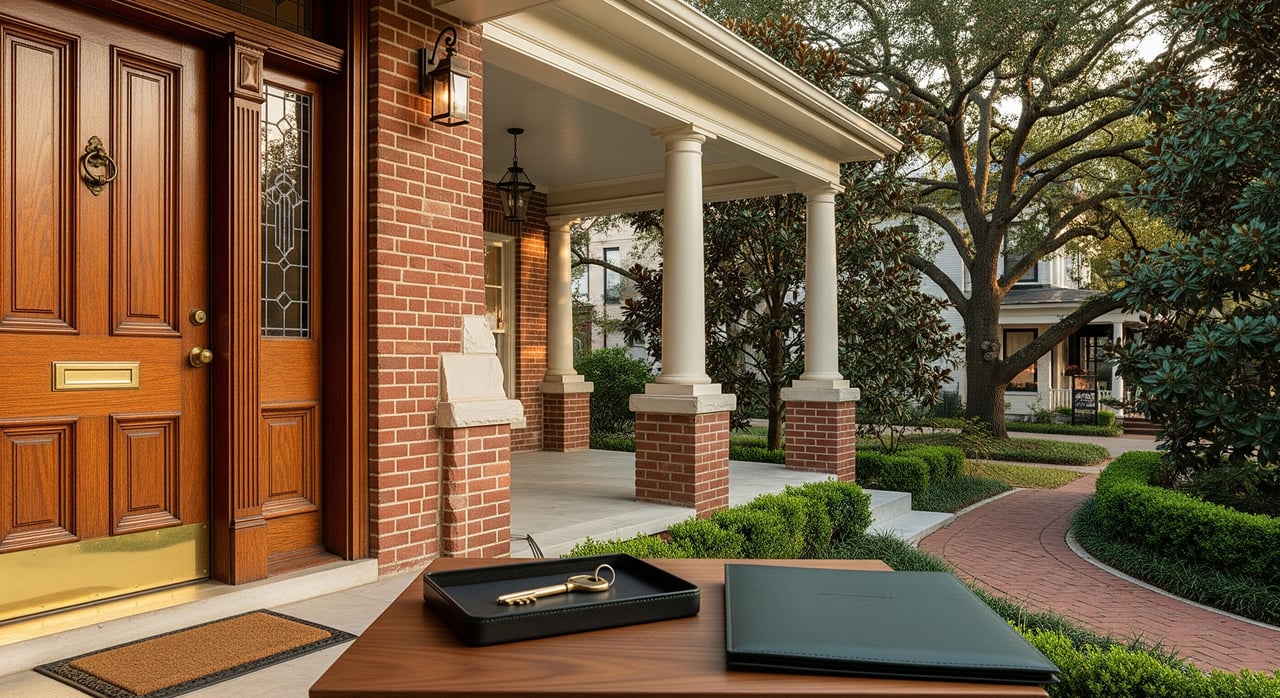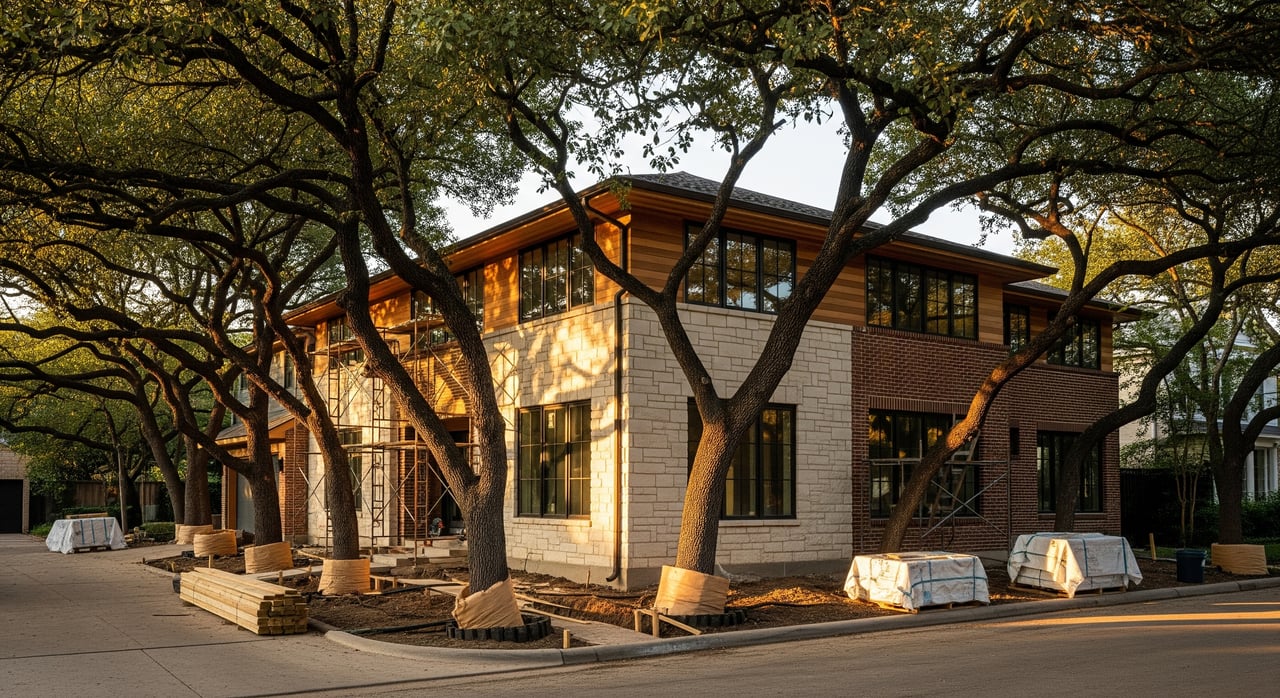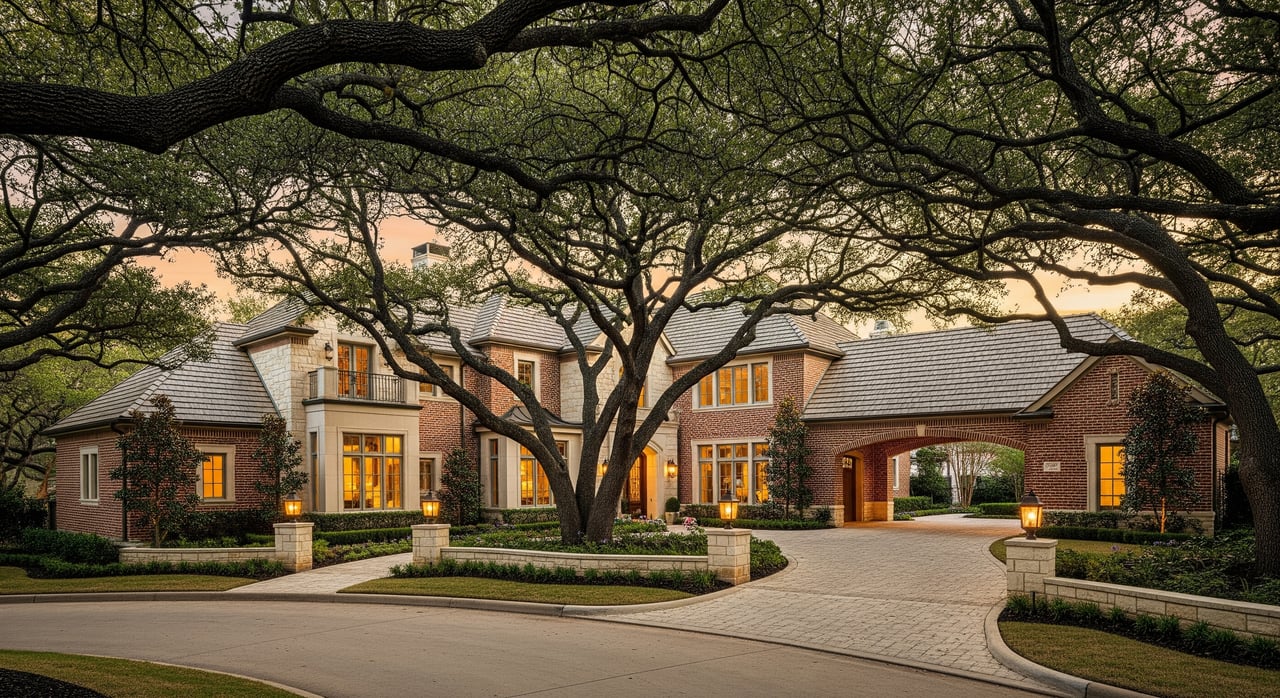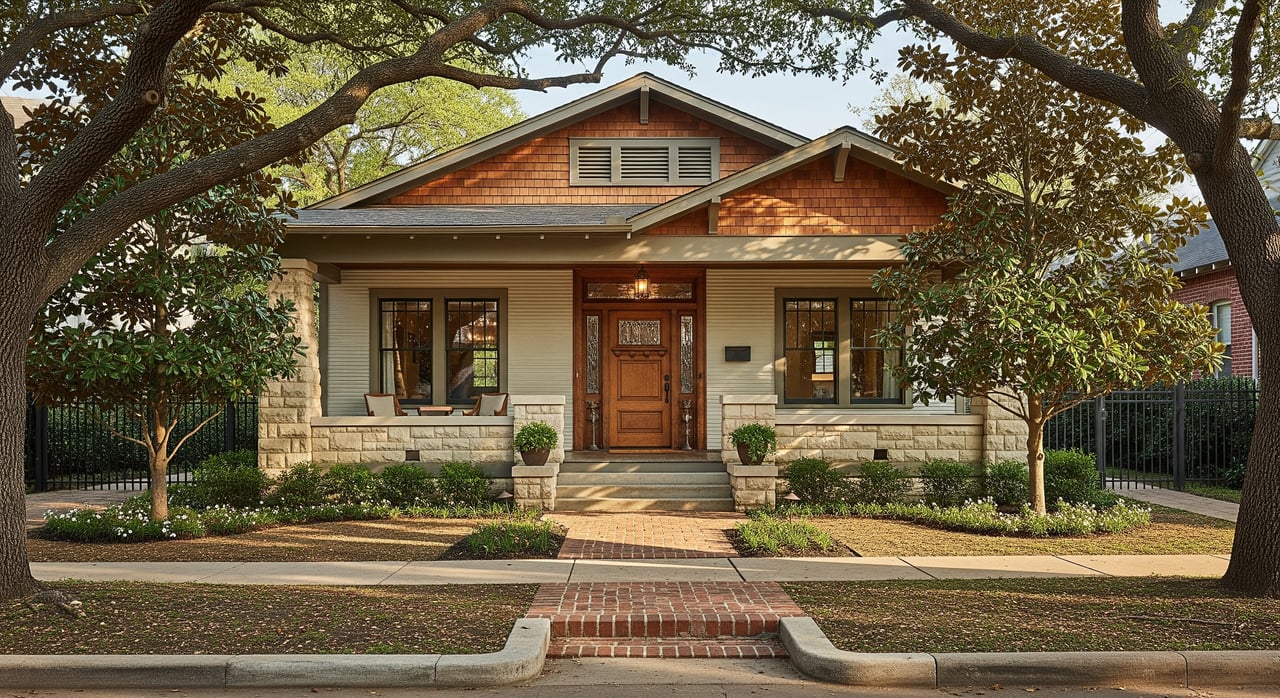
Love the charm of Hollywood/Santa Monica but wonder what you can change after you buy? You are not alone. Many East Dallas buyers want character and also plan updates. The key is understanding how Dallas conservation districts work so you can plan with confidence. In this guide, you will learn what these districts control, how design approvals work, and how to budget time and cost for a smooth project. Let’s dive in.
Conservation districts explained
A conservation district is a local tool that helps protect a neighborhood’s look and feel. It focuses on what you can see from the street, like façades, rooflines, porches, and fences. Interior work is usually not regulated by these guidelines.
Conservation districts differ from historic districts. They are often a lighter touch with rules tailored to each neighborhood. They focus on compatible change that maintains scale, streetscape, and materials. Zoning still applies to use and density, and a homeowners association may have its own private rules. You may need to follow all three.
The goal is not to freeze a neighborhood in time. It is to guide thoughtful updates so the area’s character stays intact as homes change hands and families renovate.
How Dallas reviews changes
What gets reviewed
Dallas adopts district-specific guidelines for each conservation district. Exterior work visible from the public street is usually reviewed. This can include additions, new construction, porch changes, window replacements, roof materials, fences, driveways, and major landscaping. Interior work is generally not covered unless the property has another historic designation.
Routine repairs that match existing materials may be exempt or reviewed by staff. Ask early if you are unsure. A quick question can save time.
Design approval and permits
Most exterior changes require a design approval often called a Certificate of Appropriateness. The city’s preservation staff or a commission reviews your plans for compatibility with the district guidelines. Building permits are still separate and will not be issued until design approval is granted.
For larger projects like major additions, new builds, or demolition, expect a higher level of review. Public notice or a commission hearing may be part of the process.
Timelines and compliance
Administrative reviews can take a few weeks. Projects that go to a commission take longer. Build this time into your plan and contract dates. If work starts without approval, you could face stop-work orders, penalties, or be required to undo the changes.
What this means for you as a buyer
Buying in a Dallas conservation district primarily affects exterior, visible changes. Plan for review if you want to change windows, add a second story, update a porch, change a fence, or build a new garage that is visible from the street.
Budget for design time and possible specialized materials. Hiring an architect or designer with preservation experience can reduce revisions. Some projects cost more to meet compatibility standards.
Use smart contract contingencies if you plan major updates. You can tie your purchase to receiving design approval for your project. For demolition or new construction, expect more scrutiny and plan extra time.
Financing is available as usual, but coordinate your renovation timeline with your lender. Insurance for older homes may factor in existing materials and condition. Some energy or safety upgrades may still need design approval if they change visible features.
Local incentives can vary. Check City of Dallas programs and the Texas Historical Commission for any active incentives that may apply to residential work.
Neighborhood spotlight: Hollywood/Santa Monica
Hollywood/Santa Monica in East Dallas is known for early to mid twentieth century cottages and bungalows, tree-lined blocks, and consistent scale. Front porches, rooflines, and lot patterns create a cohesive streetscape that many buyers love.
The conservation district helps protect this character. You can expect review for changes that affect what is seen from the street. Routine maintenance that matches existing features is typically straightforward. Larger projects like additions, new construction, or demolition need careful planning and approval.
For you, this means the neighborhood is likely to maintain its look and feel over time. That predictability is a plus for many buyers, but it also means bold exterior redesigns are unlikely to be approved.
Plan your project step by step
Before you make an offer
- Confirm the property is inside the conservation district boundary using official city maps.
- Get the district’s adopted design guidelines and read the sections related to your plans.
- Contact the City of Dallas Historic Preservation Office to discuss likely review requirements and to request the design approval application and checklist.
- Talk with the neighborhood association for recent examples and common pitfalls.
- If you plan exterior work, include a design approval contingency in your contract.
After closing
- Schedule a pre-application meeting with preservation staff to test concepts.
- Hire an architect or designer experienced with Dallas conservation districts.
- Prepare drawings and material samples that clearly show visible changes.
- Submit your design approval application and pay any required fees.
- Address comments, obtain approval, then apply for building permits.
- Keep records of all approvals and make sure your contractor follows the approved plans.
Practical tips
- Preserve character-defining features like porches, original windows, and rooflines when possible.
- For efficiency upgrades, use solutions that do not alter the façade, such as interior storm windows or discreet insulation.
- When in doubt about minor items like paint or fences, ask staff first. A quick check can prevent rework.
- Ask the seller for copies of any past approvals. Check municipal records for past permits or violations on the property.
Benefits, tradeoffs, and risk management
Benefits include a stable streetscape, predictable nearby development, and long-term value protection for the neighborhood’s look and scale. Many buyers value this predictability.
Tradeoffs include less exterior flexibility and added time and cost for review and materials. Some proposals may need changes to meet compatibility standards.
Manage risk by starting early with city staff, hiring experienced professionals, and setting realistic timelines in your contract. Clear plans lead to smoother approvals.
Quick buyer checklist
- Verify the district boundary for the property.
- Read the district’s design guidelines before you write an offer.
- Ask the seller for prior design approvals and permits.
- Add a design approval contingency if you plan exterior work.
- Meet with preservation staff and hire an experienced designer.
- Submit for design approval, then permits, and follow the approved plan.
- Keep all records to share with future buyers.
Your East Dallas partner
If you are drawn to Hollywood/Santa Monica’s charm and want a smooth path from offer to approved updates, you deserve clear guidance. I help you weigh tradeoffs, set smart contingencies, and connect with preservation-savvy pros so your plans stay on track. When you are ready, reach out to Brianna East to talk through your goals and next steps.
FAQs
What is a Dallas conservation district?
- It is a local program that sets neighborhood-specific design rules to protect the look and scale of an area, mostly regulating exterior changes visible from the street.
How do design approvals work in Dallas?
- You submit plans for a design approval often called a Certificate of Appropriateness. Staff or a commission reviews for compatibility with the district’s guidelines before permits are issued.
Can I paint my house any color in Hollywood/Santa Monica?
- It depends on the district’s guidelines. Some districts address color for visible façades and others do not. Check the adopted guidelines before you paint.
Can I replace windows with vinyl?
- Many districts prefer wood or wood-clad windows or compatible designs when visible from the street. High-quality alternatives may be considered if they match appearance. Get approval first.
Can I add a second story?
- Additions are often allowed if they are compatible in scale, setback, and materials and do not dominate the original house or streetscape. Large projects need formal design approval.
Can I demolish and rebuild?
- Demolition of contributing buildings is usually controlled or discouraged and often requires commission review. Expect extra time and a strong case for demolition.
Will my renovation be denied?
- The aim is to guide compatible change, not block reasonable projects. Early coordination with staff and good design usually lead to approval, though some plans may need revisions.
Are there financial incentives?
- Incentives vary by program and property. Check City of Dallas resources and the Texas Historical Commission for any current residential incentives that may apply.