Buying in Lakewood can feel exciting and a little overwhelming on your first tour. You are not just walking through a house here. You are also weighing block-by-block feel, access to White Rock Lake, historic character, and the long-term upkeep that can come with older homes. This guide will help you know what to notice, what to ask, and how to debrief your first Lakewood home tour with more confidence. Let’s dive in.
Why Lakewood tours feel different
Lakewood is generally understood as an East Dallas neighborhood west of White Rock Lake, and that setting shapes how homes live day to day. White Rock Lake is a 1,015-acre city lake with a 9.33-mile trail, recreation areas, and event programming, so location here often means more than a pin on a map.
On your first tour, you are evaluating both the home and the lifestyle around it. A property closer to the lake, trails, or park space may feel very different from one farther inland, even if the houses are similar in size.
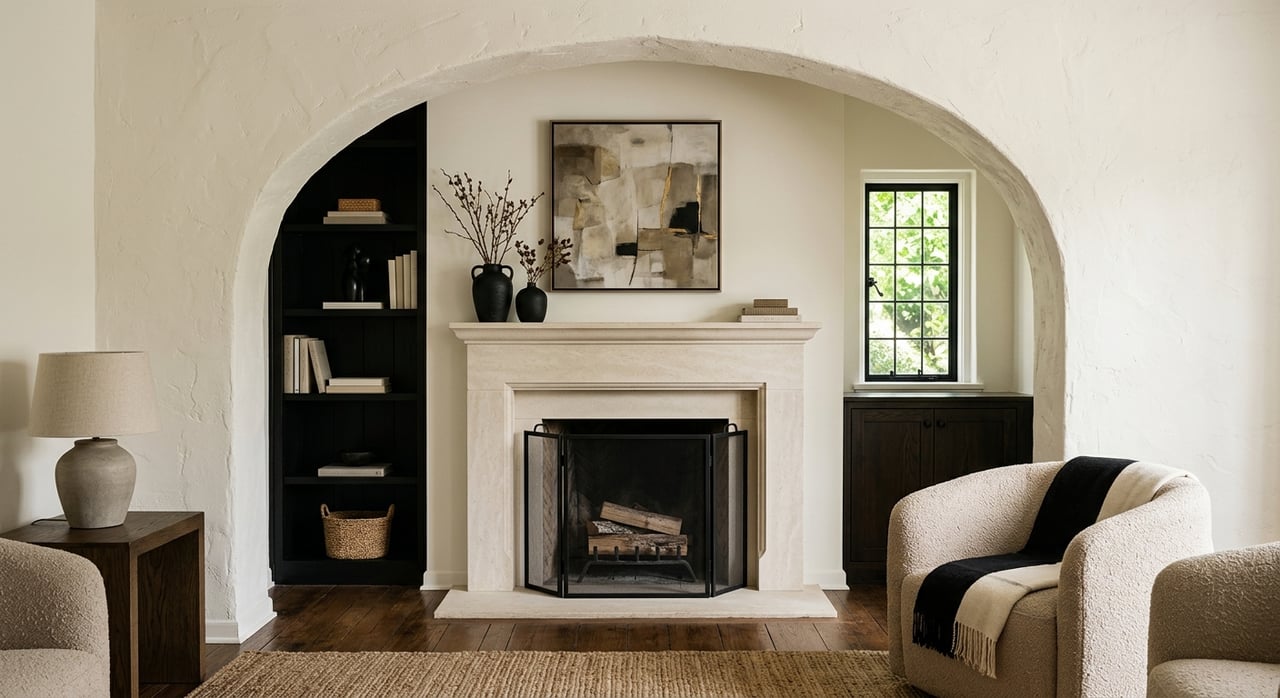
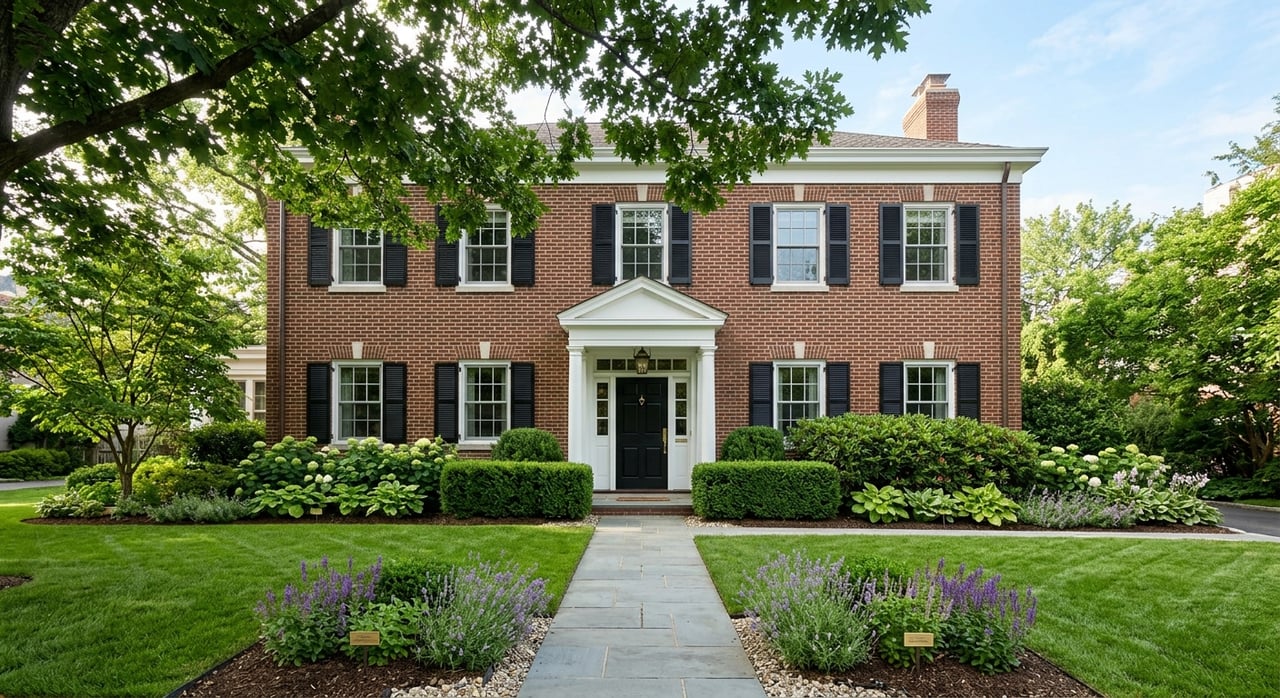
Lakewood also has a strong architectural identity. The area includes homes in Tudor, Spanish Eclectic, French Eclectic, Colonial Revival, and other revival styles, so charm is often part of the package. That charm can be a major draw, but it can also come with maintenance questions that are worth noticing early.
What happens before the tour
Before you step inside, it helps to have your budget and priorities clearly defined. Your full monthly housing cost may include principal, interest, property taxes, insurance, possible flood insurance, and HOA fees if they apply.
That is important in any market, but especially in a neighborhood where buyers can quickly fall for character and curb appeal. A beautiful front elevation or original details should not distract you from the total cost of ownership.
You should also know how access is being arranged. If you visit an open house on your own, a written buyer agreement is generally not required just to attend. If you are touring homes with an agent, you may be asked to sign one before private showings.
What to expect during your first walkthrough
Your first Lakewood tour is usually about fit, condition, and context. It is less about making a final decision on the spot and more about learning how the home compares to your must-haves.
Photos can make a home look larger, brighter, or more updated than it feels in person. An in-person visit gives you the chance to check room sizes, natural light, storage, and how the house actually flows from one space to the next.
This is also when the neighborhood starts to come into focus. You may notice whether the block feels quiet, how close you are to busier roads, and whether the setting matches your daily routine.
Focus on layout and daily function
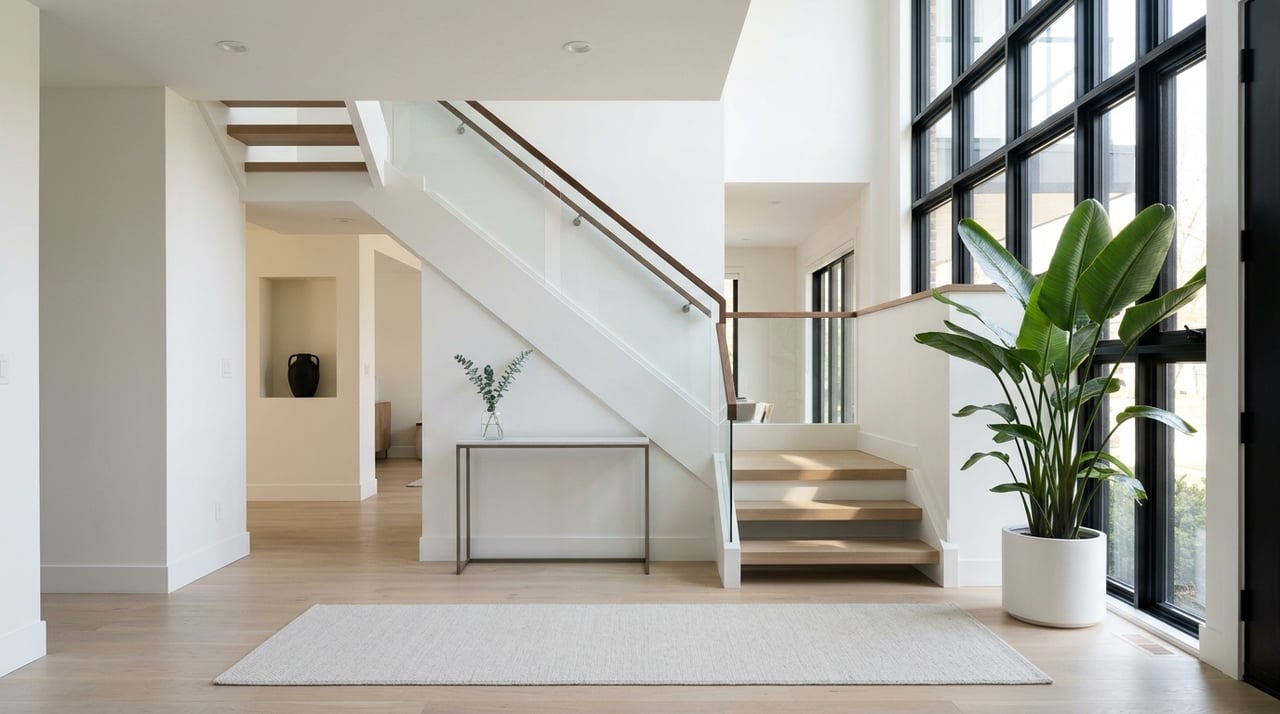
During a first tour, pay close attention to how the floor plan works for real life. A home can have the right number of bedrooms and still feel awkward if the rooms are small, disconnected, or hard to furnish.
As you walk through, think about questions like these:
- Does the living space connect well to the kitchen or dining areas?
- Do the bedrooms feel private enough for your needs?
- Is there enough storage for everyday life?
- Does the home get good natural light at the time of day you would use it most?
- Are there obvious pinch points in hallways, stairs, or entry areas?
In Lakewood, practical flow matters just as much as style. Many homes have character-filled layouts, but not every older plan fits modern routines without compromise.
Look closely at character and condition
A first Lakewood tour should include more than a quick reaction to finishes. Since much of the neighborhood includes historic housing stock, it helps to look at how original character and later updates work together.
Notice whether updates feel consistent with the home’s style or whether they feel out of place. Pay attention to exterior materials, windows, rooflines, porches, and any additions that seem visually disconnected from the original structure.
You do not need to diagnose every issue during a showing. Still, you should be alert for clues about long-term maintenance, such as uneven floors, aging materials, signs of deferred upkeep, or exterior changes that raise questions about how work was done.
Understand Lakewood’s conservation district
Much of Lakewood is tied to the City of Dallas Lakewood conservation district. The city says these ordinances are codified by Council and include minimum development and architectural standards designed to conserve the neighborhood’s architectural and cultural attributes.
For you as a buyer, that means exterior changes may involve more review than you would expect in another area. If you are considering a home with additions, altered materials, or plans for future exterior work, this matters.
Ask direct questions if a property is in the conservation district, including:
- Is the home subject to Lakewood conservation district standards?
- Were past exterior changes or additions reviewed as required?
- Would planned exterior updates need city review after purchase?
- Are there any known restrictions that affect materials or design choices?
These questions can save you time later, especially if you are buying with renovation ideas in mind.
Compare the street, not just the house
In Lakewood, street position can change how a home feels. The neighborhood’s retail core around Gaston and Abrams remains a major East Dallas hub, and homes near busier corridors can offer a very different experience from homes on quieter interior streets.
That does not make one better than another. It simply means your first tour should include the block, nearby traffic patterns, and the immediate surroundings.
When you arrive, take a few minutes to notice:
- Traffic flow on the street and nearby intersections
- Proximity to retail corridors or through-streets
- Noise levels outside the home
- Sidewalks, porches, and how homes relate to the street
- Whether the setting matches your comfort level for everyday living
A house you love online may feel different once you stand on the block. That is normal, and it is one reason first tours are so valuable.
Pay attention to outdoor living
Outdoor space carries extra weight in Lakewood because the neighborhood is closely tied to White Rock Lake’s trails, park amenities, and open space. Even if the yard is not huge, how it functions can have a big effect on daily enjoyment.
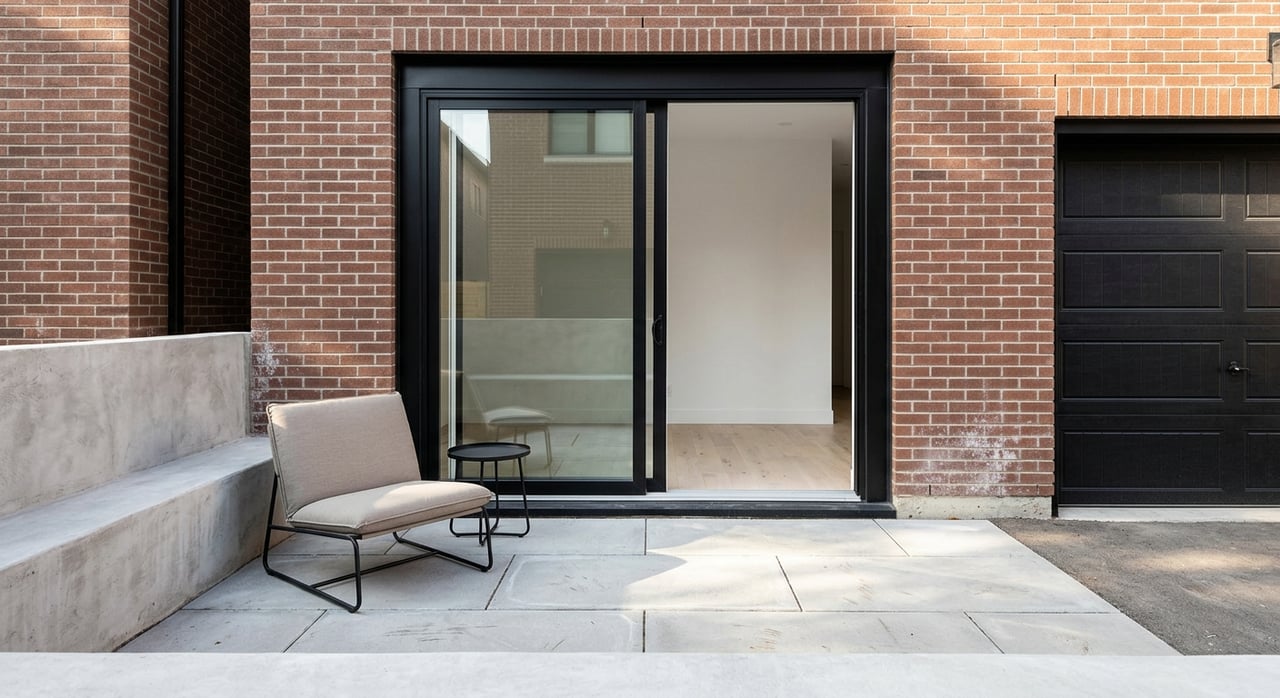
Look at porches, patios, shade, privacy, and side-yard usability. Think about whether the outdoor areas feel inviting, practical, and easy to maintain.
You may also want to think about how the home connects to the outdoors. A house with good yard access, usable seating areas, or a shaded porch may support your lifestyle in a way that square footage alone does not capture.
Ask about flooding, drainage, and insurance
In East Dallas, flooding and drainage should be part of the conversation early. Buyers have the right to ask about prior flood or disaster damage, repairs that were made, whether flood insurance is required, what coverage currently exists, and whether there are utility or water issues that could point to hidden costs.
This does not mean every home has a problem. It means you should ask clear, practical questions while you are still evaluating fit.
Helpful questions include:
- Has the property had prior flood or water intrusion issues?
- What repairs were made, and when?
- Is flood insurance required?
- What type of insurance coverage is currently in place?
- Are there drainage concerns on the lot during heavy rain?
If you later decide to make an offer, an inspection contingency can help protect you if the home does not meet your expectations after a deeper review.
Verify school zoning by address
If school assignment is part of your search, verify it by property address. Dallas ISD says newly entering K-12 students who live within district boundaries are guaranteed a seat at their zoned school, and the district provides a SchoolSite Locator for address-specific confirmation.
That matters because neighborhood names do not always tell you exactly how a home is zoned. Two homes that seem close together can sometimes have different assignments.
Keep this part factual and address-based. On a first tour, the goal is simply to confirm whether the property aligns with your school-planning needs.
How to debrief after the tour
After the showing, pause before jumping to a yes or no. The best debrief compares the home against your actual priorities, not just your first emotional reaction.
A simple post-tour review can include:
- How the home fits your budget once taxes, insurance, and other costs are included
- Whether the layout works for your daily routine
- How comfortable you feel with likely maintenance needs
- Whether the outdoor space supports your lifestyle
- How the street and surrounding area felt in person
- Whether you need to verify school zoning, conservation rules, or flood-related details
This is also a good moment to decide whether the house deserves a second look. In Lakewood, a calm second visit can be especially helpful because so much of the decision comes down to place, block, and long-term fit.
Why a local guide matters in Lakewood
Your first home tour in Lakewood is rarely just about countertops and paint colors. You are evaluating architecture, street context, conservation rules, outdoor living, and the practical costs that come with ownership.
That is why local guidance matters. A neighborhood-first approach can help you stay grounded in what fits your life, not just what photographs well.
If you are planning your first Lakewood home tour and want practical, responsive guidance along the way, Brianna East can help you compare homes with clarity and confidence.
FAQs
What should you bring to a first Lakewood home tour?
- Bring your budget range, a short list of must-haves, and notes on what matters most to your daily routine so you can evaluate each home consistently.
What should you look for in an older Lakewood home?
- Focus on layout, natural light, storage, visible maintenance, and whether updates feel consistent with the home’s original style.
What does the Lakewood conservation district mean for buyers?
- It means some exterior changes, additions, and materials may be subject to City of Dallas standards and review, so you should ask how past and future exterior work is handled.
Why does the street matter during a Lakewood home tour?
- Homes near busier corridors like Gaston or Abrams can feel very different from homes on quieter residential blocks, so block context is part of the decision.
How do you verify school zoning for a Lakewood address?
- Use the exact property address to confirm school assignment through Dallas ISD’s address-based school locator rather than relying on neighborhood labels.
Should you ask about flood risk on a first East Dallas tour?
- Yes. Ask about prior flood or water damage, repairs, drainage, insurance requirements, and any current coverage tied to the property.